
Amara Okoro
Editorial byline
Amara Okoro is an editorial byline for Munchies Magazine, with a focus on Food & Culture Features, Culinary Travel Guides, The Global Pantry (Ingredient Spotlights). Biographical credentials and external profiles are published only after verification.
Learn more about our editorial process and use of automation in our AI & Automation disclosure.
Coverage Areas
Latest Articles
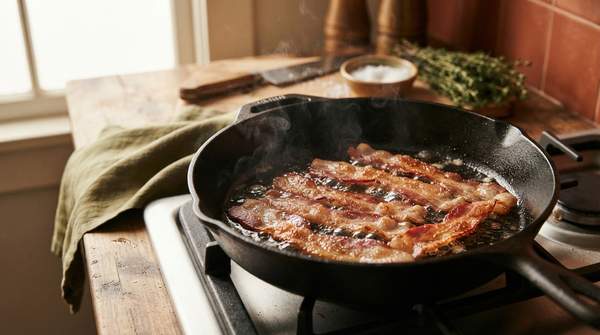
The Science of Perfectly Crispy Bacon: Why Water Is the Secret Ingredient
Discover the science behind perfectly crispy bacon by using water as a secret ingredient. This method controls temperature, allowing fat to render gently before browning for ideal texture.
Nov 9, 2026 · 5 min read
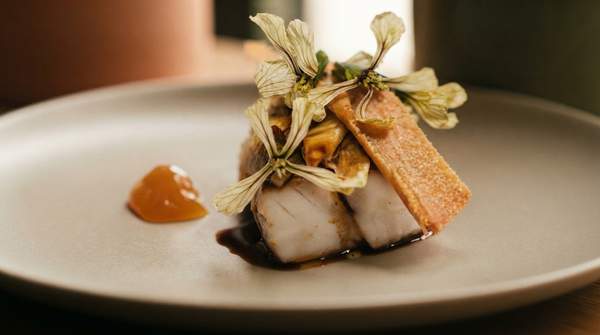
UNESCO Culinary Heritage, Decoded: Heritage Lists vs. Cities of Gastronomy
UNESCO recognizes culinary heritage through two distinct programs: the Intangible Cultural Heritage lists for specific food practices and the Creative Cities of Gastronomy network for urban food ecosystems. Understanding this difference is key to appreciating what each designation signifies.
Nov 8, 2026 · 4 min read
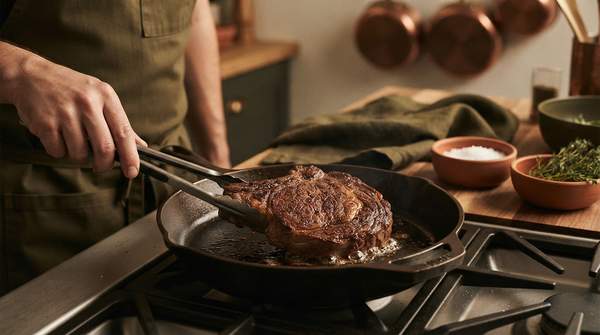
Four Levers of Flavor: How to Control the Maillard Reaction Every Time You Cook
Master the Maillard reaction for delicious flavor and perfect browning by controlling four key variables: temperature, moisture, pH, and time. This guide provides practical insights and a troubleshooting framework for home cooks.
Nov 7, 2026 · 4 min read
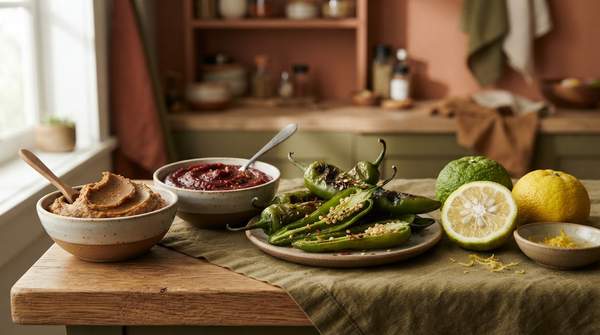
Four Global Flavors Quietly Taking Over American Snack Aisles: Miso, Gochujang, Hatch Chilis, and Yuzu
Four global flavors—Japanese miso, Korean gochujang, Hatch chilis, and yuzu—are increasingly appearing in American snack products, driven by consumer interest in complex, international tastes. The article explores their origins, unique profiles, and growing presence on shelves.
Nov 7, 2026 · 4 min read
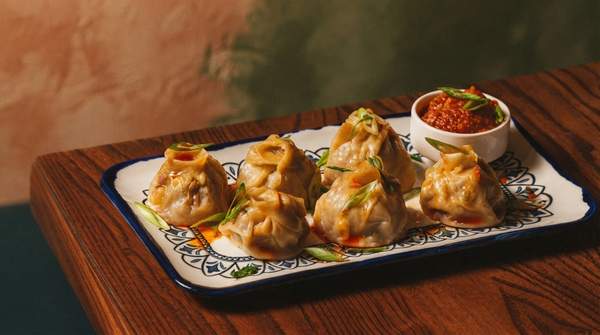
From Silk Road Samosas to Korean Tacos: The Long, Layered History of Fusion Cuisine
Fusion cuisine is an ancient practice, evolving through trade, colonialism, and migration before becoming a deliberate, chef-driven innovation in the modern era. Understanding the historical context and intent behind culinary blending reveals its true, layered history.
Nov 7, 2026 · 5 min read
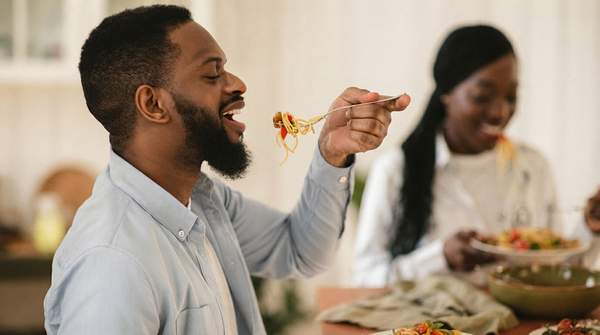
Your Brain, Not Your Tongue, Makes Your Food Taste Like Mango: The Insula Where Flavor Is Born
Flavor is a complex brain construction, not just taste detected by the tongue. The insula is the brain region where taste and smell signals merge, with retronasal olfaction playing a key role in differentiating distinct flavors.
Nov 6, 2026 · 6 min read
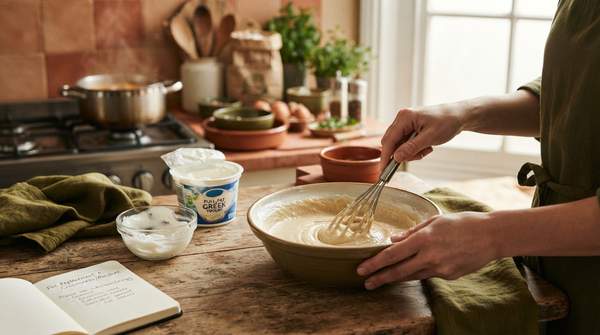
Swap Smart: How Ingredient Function Should Guide Every Kitchen Substitution
Successful ingredient substitution hinges on understanding an ingredient's specific function—structure, moisture, fat, leavening, or flavor—rather than just finding a direct replacement. By classifying the ingredient's role and selecting a substitute with a similar function, cooks can predict and minimize unwanted changes in the final dish.
Nov 6, 2026 · 4 min read
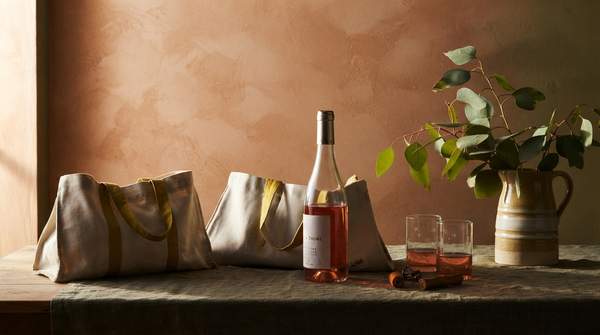
Natural Wine, Demystified: What's Actually in the Bottle
Natural wine is a movement characterized by minimal intervention in winemaking, typically involving organic farming, spontaneous fermentation with native yeasts, and few additives. It's defined by philosophy rather than strict legal standards, embracing variability for unique character.
Nov 6, 2026 · 4 min read
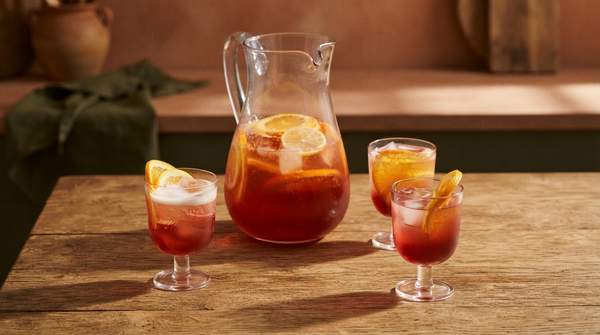
Four Sophisticated Non-Alcoholic Sips Gen Z and Millennials Are Actually Drinking
Gen Z and Millennials are driving a sophisticated non-alcoholic beverage revolution, seeking premium, functional, tea-based, and flavor-forward sips that align with wellness goals and evolving social habits. This cultural shift offers diverse, elevated drinking experiences beyond traditional alcohol.
Nov 5, 2026 · 6 min read
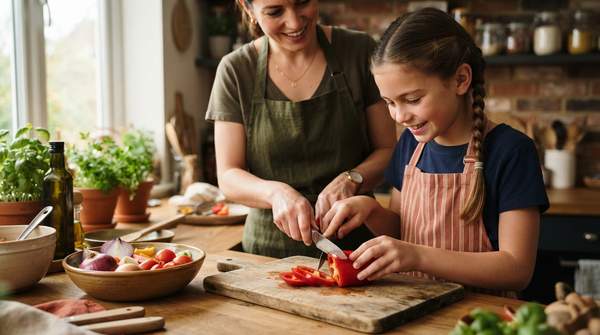
Ten Skills Your 9-to-11-Year-Old Can Master in the Kitchen — and How to Teach Them Safely
This article outlines a 3-tier skill progression for teaching children aged 9-11 essential kitchen tasks, from basic prep to stovetop cooking and independent meal-making. It emphasizes safety, gradual skill-building, and fostering independence to empower young chefs.
Nov 5, 2026 · 5 min read
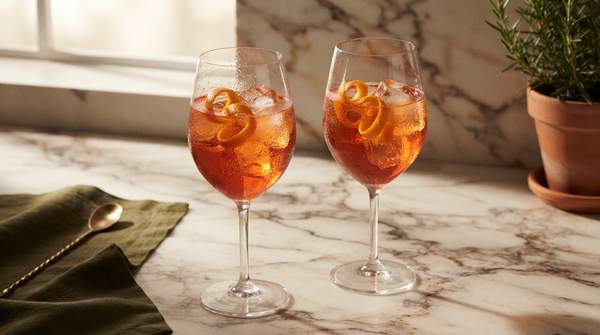
The Spritz, Decoded: From Austrian Wine Dilution to the 3-2-1 Italian Icon
Discover the fascinating history of the Spritz, from its origins as Austrian soldiers diluting wine to its modern status as an Italian aperitivo icon. Learn the classic 3-2-1 ratio and explore the distinct flavors of its popular variations like Aperol, Campari, and Select.
Nov 5, 2026 · 4 min read
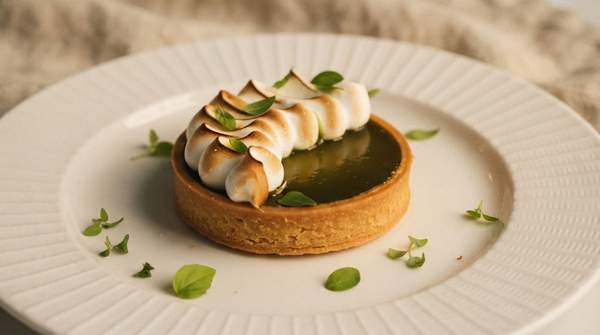
How to Make Your Home-Cooked Meals Look magazine-worthy: A Troubleshooting Guide to Food Photography
Transform your home-cooked meals into magazine-worthy photos with simple, accessible techniques. This guide focuses on mastering natural light, styling for story, and using a troubleshooting framework to elevate your food photography without expensive gear.
Oct 31, 2026 · 5 min read
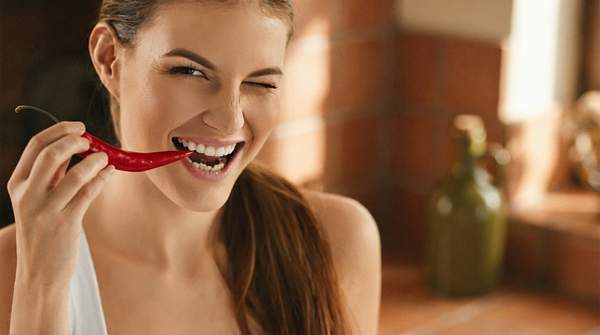
Trigeminal Sensations: The "Feelable" Flavors That Complete Every Bite
Flavor is a multimodal experience that extends beyond taste and smell to include physical sensations like heat, cooling, and tingling, carried by the trigeminal nerve. Understanding these "feelable" elements is key to appreciating the complete culinary experience.
Oct 30, 2026 · 4 min read
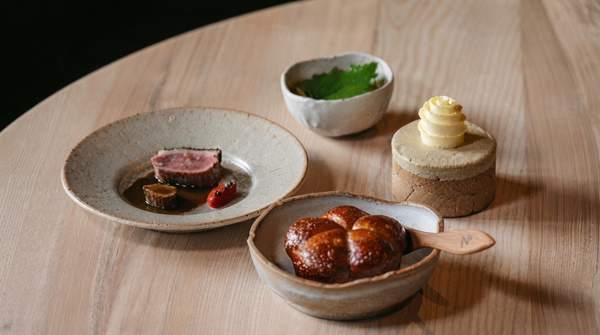
What Michelin Inspectors Actually Judge: The Five Criteria Behind Every Star
Michelin stars are awarded based on five core culinary criteria: ingredient quality, flavor harmony, mastery of techniques, chef's personality, and consistency. Decor, ambiance, and service style are explicitly excluded from the evaluation.
Oct 30, 2026 · 4 min read
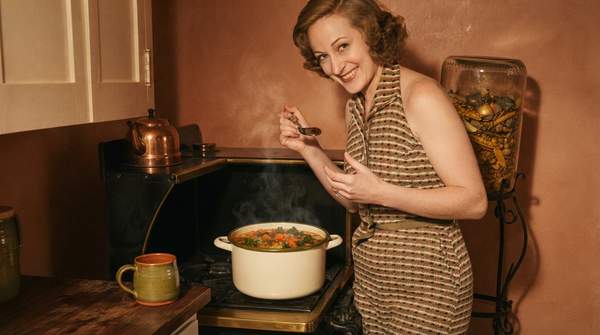
How the Great Depression Rewired the American Kitchen
The Great Depression fundamentally reshaped American kitchens, shifting cooking from convenience to a necessity driven by economic hardship. This era instilled principles of waste avoidance, nutritional focus, and ingredient resourcefulness, leading to iconic dishes and enduring culinary habits.
Oct 30, 2026 · 4 min read
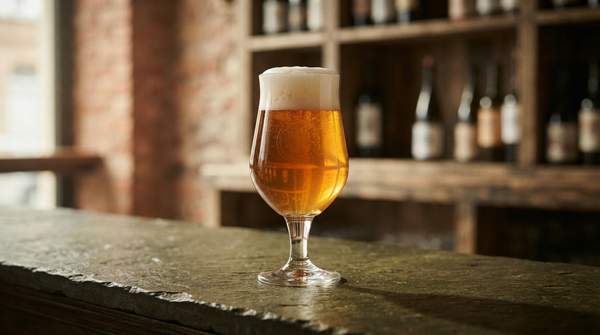
Kentucky Common vs. California Common: Two Beer Styles That Prove American Beer Has a Hometown
Discover the historical roots and unique brewing processes behind Kentucky Common and California Common, two foundational American regional beer styles. Learn how local conditions and pioneering breweries shaped these distinct brews.
Oct 29, 2026 · 4 min read
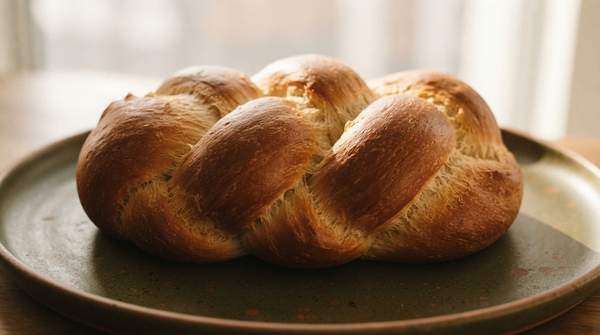
Maillard or Caramelization? How to Tell Which Browning Reaction Is Happening in Your Pan—and Steer It
The Maillard reaction and caramelization are two distinct chemical processes that brown food, each with unique ingredients, temperatures, and flavor profiles. Understanding their differences allows cooks to control them for desired culinary outcomes.
Oct 29, 2026 · 4 min read
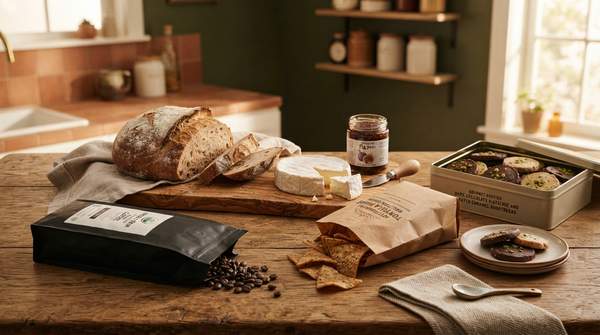
Five Unique Finds Worth Crossing Town For: Trader Joe's and Costco's Most Adventurous Shelf Picks
Discover unique and adventurous food finds at Trader Joe's and Costco, from specialty cheeses and cookies to high-quality pantry staples. Learn how to leverage each store's strengths for creative home cooking and elevated everyday meals.
Oct 28, 2026 · 4 min read
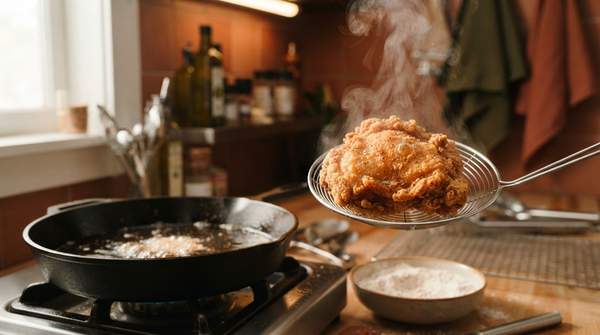
Why Your Fried Food Goes Soggy: The Science of Getting Crisp, and Staying That Way
Soggy fried food results from excess surface moisture, oil that isn't hot enough, or trapped steam, each with a specific scientific cause and solution. By understanding the role of steam in creating crispness and managing moisture and oil temperature, you can diagnose and fix frying failures.
Oct 27, 2026 · 5 min read
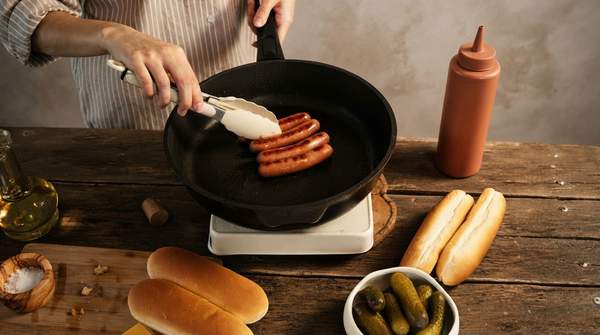
Why Sausages Split — and the Two Cooking Methods That Keep the Casing Intact
Sausages split when internal steam and pressure build faster than the casing can stretch. Prevent this by using gentle, even heat, avoiding high temperatures, and never piercing the skin.
Oct 27, 2026 · 4 min read