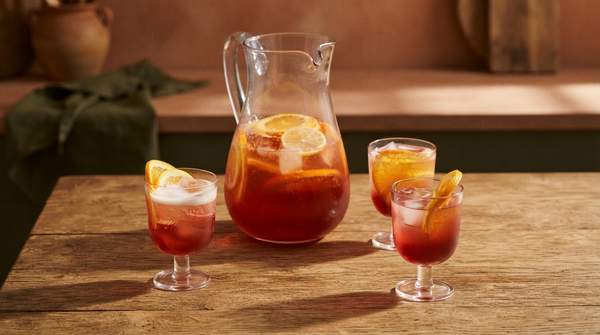
Here's the short answer: the non-alcoholic wave isn't about abstaining from fun — it's about upgrading the glass. Younger drinkers are turning toward four distinct categories of sophisticated, alcohol-free beverages, driven by wellness goals, stress management, and a genuine hunger for new flavors. Market researchers tracking consumers aged 15 to 30 describe this as a cultural shift rather than a passing trend, and the numbers back them up. As someone who watches what lands in the cooler at every gathering, I can tell you this movement has real legs.
The Rise of Mindful Drinking: A Generational Shift
Gen Z is at the forefront of what analysts call the sober curious movement, with nearly half planning to reduce their alcohol consumption, according to Datassential's 2026 trend analysis. That's not a fringe behavior — it's a generational posture. Gen Z shows the highest engagement with tea during social occasions and is the group most likely to question whether alcohol actually enhances an experience at all.
Millennials, meanwhile, arrive at the same shelf from a different angle. Datassential's findings highlight stress management and wellness as their core motivators: they want drinks that support mental health without alcohol's downsides. And the habits span budgets — higher-income consumers are willing to pay for premium non-alcoholic alternatives, fueling the growth of craft mocktails and sophisticated alcohol-free spirits.
What makes this durable rather than fleeting is the everyday behavior behind it. Younger consumers practice what's called zebra striping — alternating alcoholic drinks with non-alcoholic ones — and, as one consumer-culture analysis notes, a growing share of Gen Z drinks less frequently or not at all. Mindful drinking has quietly become the default setting.
Comparing the New Wave of Non-Alcoholic Drinks
To make sense of the category, I grouped the evidence into four distinct trends by their core ingredients and the consumer values they serve, then compared them side by side. The point of the exercise: most drinkers don't want all four — they want the one that matches their occasion.
| Trend Category | Key Characteristics | Common Flavor Profiles | Primary Appeal for Gen Z/Millennials |
|---|---|---|---|
| Premium NA Wines & Beers | Well-crafted alternatives that mimic the experience of traditional alcoholic drinks | Crisp, fresh whites; red berry and plum with oak and tannins; celebratory sparkling styles | Sophisticated social experience without intoxication; premium quality worth paying for |
| Functional/Mood-Boosting Drinks | Incorporate adaptogens, nootropics, or other functional ingredients for relaxation or energy | Tart profiles growing fastest; over 40% global growth in tart "sober-curious" drinks per Mintel | Align with holistic health and wellness values; 44% awareness and 46% interest among consumers |
| Tea-Based Mocktails | Tea as the base for non-alcoholic cocktails; roughly 58% of consumers view tea as healthy | Botanical, versatile bases for mixed drinks | "Teatime is the new happy hour"; Gen Z's happy-hour tea consumption (23%) outpaces older generations |
| Flavor-Forward Beverages | Complex, novel flavor combinations beyond traditional options | Tropical, fruity, and tart; tropical launches up 98% | Flavor exploration — 90% of Gen Z and Millennials seek new flavors, "the wilder the better" |
The pattern that emerges: each trend answers a different motivation. If you want the ritual of wine, that's trend one. If you want wellness in the glass, that's trend two. If you want a social default, trend three. If you want adventure, trend four.
Trend 1: Premium Non-Alcoholic Wines & Beers
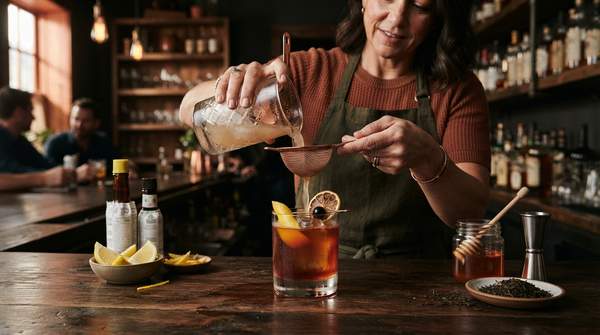
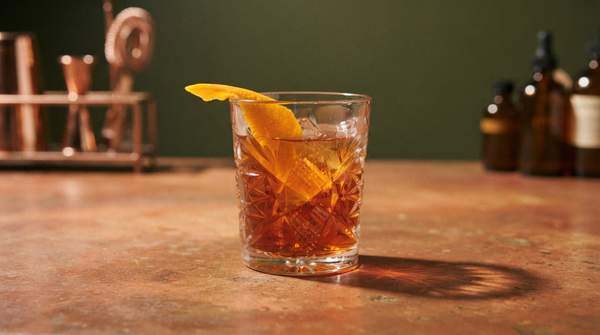
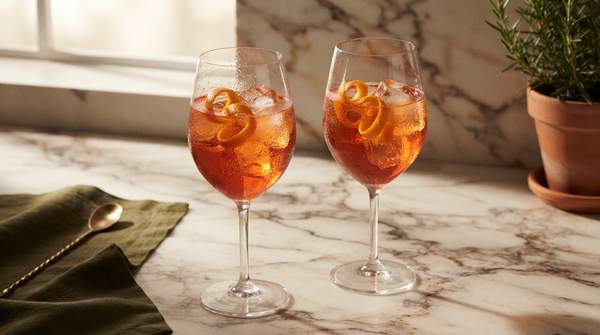
The premium tier is where the non-alcoholic category got serious. FreshDirect's beverage merchandising manager reported overall non-alcoholic sales surging 71% in 2024 compared to the previous year, with alcohol-free wines up a staggering 192% and beer growing 30% year over year. That growth isn't driven by virtue-signaling abstainers — it's driven by people who want the real thing, minus the alcohol.
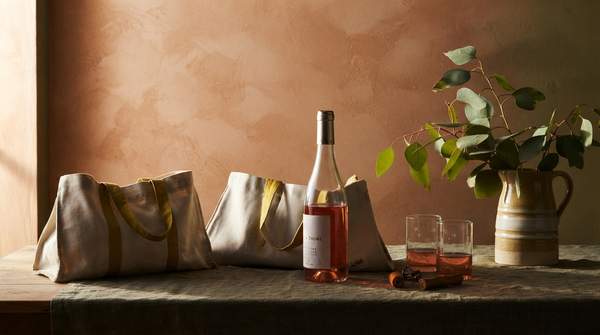
And the quality argument holds up. FreshDirect describes a non-alcoholic Sauvignon Blanc at just 19 calories per 5-ounce serving that "delivers all the crisp, fresh characteristics you'd expect" from the alcoholic version, alongside a red blend with notes of red berries, plum, toasted oak, and fine tannins. Sparkling options, like Wölffer Estate's non-alcoholic rosé, are positioned as celebration-worthy on their own merits.
What strikes me most comes from the event world: a Vancouver tasting organizer noted that about 90% of his attendees do drink alcohol — they're simply "interested in well-crafted beverages with good stories behind them" when they're not imbibing. These wines and beers are made for drinkers, not replacements for them.
Trend 2: Functional & Mood-Boosting Beverages
This is the category where wellness culture and the beverage aisle collide. Datassential reports 44% consumer awareness and 46% interest in mood-boosting beverages, which often incorporate adaptogens, nootropics, or other functional ingredients designed to enhance relaxation or energy without intoxication. Millennials, motivated by stress management, are the natural audience here.
The flavor story matters as much as the function. Mintel found that "sober-curious" drinks described as tart have grown by more than 40% globally — tartness reads as sophisticated and food-friendly, not childish. A Forbes piece cited by industry analysts frames functional beverages as reflecting a larger cultural shift in how consumers think about what they drink and why.
One boundary worth stating plainly: I'm describing what these drinks claim to do, not offering medical advice on adaptogens or nootropics. The consumer interest is real and measurable; the ingredient science is a conversation for a pharmacist, not a beverage writer.
Trend 3: Tea-Based Mocktails
If wine is the premium entrant, tea is the social workhorse. Datassential's 2026 analysis declares "teatime is the new happy hour," noting that tea is emerging as the beverage of choice for mindful drinking occasions. Roughly 58% of consumers believe tea is healthy, which makes it an attractive base for both alcoholic and non-alcoholic drinks.
The generational data is where it gets interesting: tea consumption during happy hour is notably higher among Gen Z, at 23%, than among older generations. This isn't just iced tea with lunch — it's tea as a deliberate social beverage, the thing you order when you're out with friends and don't want alcohol to be the point of the evening. Given Gen Z's position as the group most likely to question alcohol's role in enhancing experiences, tea-based mocktails feel less like a compromise and more like a preference.
Trend 4: Flavor-Forward & Craft Beverages
Underneath every other trend runs a simple truth: flavor wins. Taste is the decision-making factor cited by 85% of consumers, outranking price and packaging — a finding echoed by Ohly's research, which also found 85% prioritizing taste over price and health. No wellness halo saves a drink that tastes like obligation.
Younger consumers are especially adventurous. Mintel reported that over one-third of consumers find trying new non-alcoholic beverage flavors exciting, with 36% liking flavors they're unfamiliar with — and a striking 90% of Gen Z and Millennials seek new food and beverage flavors, with the majority citing "the wilder the better." Industry analysts tracking launches see non-alcoholic flavor trends shifting toward tropical, fruity, and tart profiles, with tropical launches up 98%.
There's a counterweight, though: Innova found that 40% of consumers still prioritize familiar flavors, and seasonal or limited-edition flavors influence 28% of US consumers' choices. The winning drinks balance novelty with approachability — wild enough to be worth posting about, familiar enough to finish.
Finding Your Perfect Sip: Matching Trends to Your Lifestyle
So which trend is yours? If you miss the ritual of a dinner-pour wine toast, start with premium non-alcoholic wines and beers — the reds and sparklings have closed the quality gap dramatically. If your motivation is stress management and you view beverages as part of your wellness routine, the functional category was practically built for you. If you're Gen Z-curious about tea's happy-hour potential, tea-based mocktails are the lowest-effort entry point. And if you plan your drink around what sounds interesting rather than what's expected, the flavor-forward craft category rewards your browsing.
Consider your social calendar too. A higher-income drinker hosting a dinner may find premium NA wine earns its price; a casual weeknight crowd is well served by tart functional drinks or a tea-based mocktail. Many younger drinkers zebra stripe through all of these depending on the occasion, which is exactly the flexibility this market now provides.
Embracing the Non-Alcoholic Revolution
The decision here is genuinely low-stakes and high-reward: readers can confidently explore the sophisticated non-alcoholic beverage market, choosing options that align with their health goals, flavor preferences, and social occasions. The category has moved past sad juice in a wine glass. It now spans premium, functional, botanical, and boldly flavored territory, all shaped by consumers who want to feel good the next morning without boring themselves the night before.
The measurable indicator to watch: increased availability and variety of premium non-alcoholic options in retail and social settings, alongside continued growth in consumer interest and sales data for these categories. FreshDirect already documented a 71% sales surge in 2024, and the events circuit — including dedicated non-alcoholic tasting soirées in Vancouver and Victoria — keeps expanding to meet demand. The next time you're handed a drinks menu, scan for the alcohol-free section. If the past two years of growth continue, it will be the most interesting part of the page.
Sources
- Non-Alcoholic Beverage Trends 2026: Why Americans Are Drinking Less (And What They're Drinking Instead) — Datassential
- How Gen Z and Millennials Are Rewriting Drinking Culture — Tejava
- The Rise of Non-Alcoholic Beverages in 2025 — FreshDirect
- 'Free Spirit': Non-alcoholic drinking event returns to Vancouver — Vancouver Is Awesome
- Gen Z & Younger Millennial Beverage Trends in 2026: What Brands Need to Know — Opeepl
- Flavored Non-Alcoholic Drinks: Trends and Insights - Flavor Dynamics