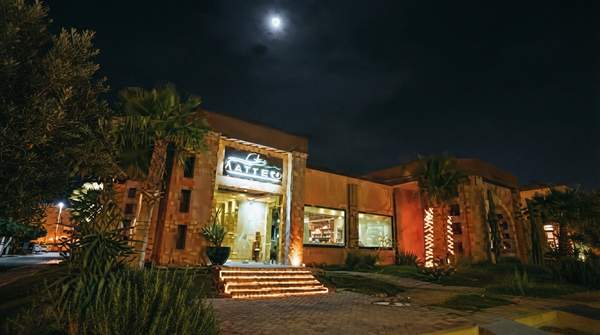
SALTILLO, MEXICO—In this northern Mexican city, a restaurant is gaining international attention for an experience where the design on the walls is as intentional as the food on the plate. Don Artemio, a contemporary restaurant created by Chef Juan Ramón Cárdenas, was the subject of a feature by the art and culture publication My Modern Met on October 3, 2026, highlighting how it makes art and architecture fundamental components of its culinary mission. The restaurant is not merely decorated with regional artifacts; its very structure and artistic commissions are designed to tell the story of Saltillo and the surrounding Coahuila region.
The philosophy driving Don Artemio is a deep-seated desire to preserve and share the history and traditions of northeastern Mexico in a contemporary way. This vision extends beyond the kitchen to encompass architecture, art, and local craftsmanship. The result is an immersive environment where every element, from the layout of the rooms to the texture of the murals, is a deliberate expression of regional identity, aiming to give patrons a comprehensive understanding of Coahuila's culture.
Architectural Homage to Saltillo's Heritage
The architectural design of Don Artemio is a direct tribute to the historic homes of Saltillo. According to the restaurant, its design is inspired by the city's old houses, which traditionally feature a central patio with rooms arranged around it. This layout is intentionally replicated at Don Artemio, reflecting the cultural sentiment that the kitchen is the heart of the home and the center of family life. The choice of materials further grounds the building in its local context.
The structure prominently features clay bricks, a material characteristic of the region's traditional architecture. This foundational choice is part of a broader aesthetic that incorporates key cultural icons of Coahuila. The design philosophy weaves together the textures of clay, the patterns of local textiles, and the influence of the area's wineries to create what the restaurant calls an "immersive Mexican contemporary atmosphere." The building itself becomes a narrative medium, expressing a centuries-old cultural heritage through its physical form.
Artistic Narratives: From Murals to Textiles
Art at Don Artemio is not an afterthought but an integral part of the space, seamlessly integrated with the architecture. The centerpiece is a monumental clay installation titled Morfogénesis, created by sibling artists Avelina and Alejandro Fuentes Quezada. Described as a work of "material cartography," the striking mural translates the colors and shapes of the mountainous landscape surrounding Saltillo into a tangible, indoor experience. The piece serves as a powerful visual anchor, connecting the dining experience directly to the natural environment of the region.
The influence of local craftsmanship is also evident in the restaurant's dedication to the Sarape de Saltillo, a traditional woven blanket iconic to the area. One of the private dining rooms, "El Sarape," is designed in honor of this textile, which historically featured a diamond shape at its center and was worn by men. This specific homage, alongside another private room dedicated to the Coahuila desert and its wines, demonstrates how distinct elements of regional culture are given their own focused spaces within the restaurant's broader narrative.
The Collaborative Vision of Chef and Architect
The cohesive experience at Don Artemio is the result of a close partnership between Chef Juan Ramón Cárdenas Cantú and architect Luis González Díaz de León. Their collaboration was founded on a shared passion for Saltillo's historic center and a common love for Coahuila, according to the restaurant's own account. The architect worked closely with the artists behind Morfogénesis to ensure the installation would integrate seamlessly with the building's design.
For Chef Cárdenas, incorporating art and architecture is a deeply personal mission. He describes it as coming from "the very depths of my being—a desire, a search for beauty and harmony, which are present in art." This philosophy guided his own journey into the region's culinary history. After studying French techniques, he found little published material on the cuisine of northeastern Mexico and set out to conduct his own research. This dedication to uncovering and celebrating the region's culture is the foundation upon which the entire Don Artemio experience is built, from the menu to the walls.
Don Artemio's Design: A Cultural Map
The restaurant's physical environment serves as a guide to the cultural and natural landscape of Coahuila. The following table breaks down key design elements and their specific connections to the region's heritage, illustrating the intentionality behind the guest experience.
| Design Element | Cultural Inspiration & Significance |
|---|---|
| Overall Architectural Design | Inspired by the old houses of Saltillo, the design incorporates central patios and clay bricks, reflecting traditional regional construction and the cultural importance of the kitchen as the center of the home. |
| 'Morfogénesis' Mural | This monumental clay installation by artists Avelina and Alejandro Fuentes Quezada is described as "material cartography," depicting the mountainous landscape outside Saltillo and bringing the region's natural forms indoors. |
| El Sarape Private Dining Room | This intimate room is a tribute to the Sarape de Saltillo, a traditional blanket and cultural icon of the region. The design honors the history and craftsmanship of this significant textile. |
| La Cava del Desierto Private Dining Room | Designed by architect Luis Díaz, this space honors the Coahuila desert and the region's wines. Every detail is intended to reflect the area's viticultural heritage and unique desert landscape. |
Beyond Dining: Experiencing Saltillo's Heritage
Ultimately, Don Artemio presents a model where a restaurant can function as a cultural institution. The careful integration of architecture, art, and cuisine offers a multi-sensory journey into the identity of northeastern Mexico. Patrons can engage with Don Artemio not just as a dining establishment, but as a cultural destination that intentionally showcases Saltillo and Coahuila's heritage through its integrated design and culinary offerings.
The impact of this holistic approach will be seen in the coming months and years. The next step is to observe how patrons interact with and comment on the architectural and artistic elements, and whether media coverage continues to highlight the restaurant's cultural integration and its impact on regional tourism.
Sources
- This Restaurant in Mexico Makes Art and Architecture Key Elements of the Culinary Experience — My Modern Met
- Our Story | Don Artemio Mexican Heritage in Fort Worth, TX — Don Artemio | Mexican Restaurant in Fort Worth, TX
- Tile Installation in Mexican Restaurant Faithfully Depicts the Mountainous Landscape Outside — My Modern Met
- Private Dining | Don Artemio Mexican Heritage in Fort Worth, TX — Don Artemio | Mexican Restaurant in Fort Worth, TX