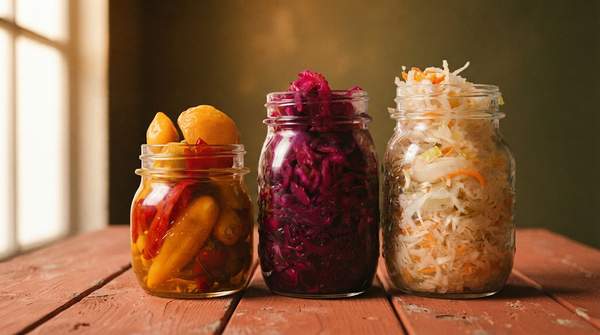
Fermentation, a process as old as human civilization itself, has profoundly shaped our relationship with food. What began as an accidental discovery and a vital method for preserving sustenance during lean times has evolved into a sophisticated culinary art and a cornerstone of modern food science. Across millennia and cultures, humanity has learned to collaborate with the invisible world of microbes, transforming raw ingredients into a diverse array of flavorful, nutritious, and culturally significant foods.
Early societies, lacking scientific understanding, often viewed fermentation as a miraculous gift from the gods, a testament to its transformative power. Yet, through keen observation and replication, our ancestors developed ingenious techniques that laid the groundwork for today's controlled fermentation processes. This journey from spontaneous preservation to deliberate culinary creation highlights not only human ingenuity but also the enduring relevance of traditional knowledge in addressing contemporary food challenges.
Fermentation: Humanity's Oldest Biotechnological Tool
The story of fermentation is deeply intertwined with the emergence of human civilization, with its origins tracing back as far as 10,000 B.C.E. in regions like the Fertile Crescent. Ancient societies, driven by necessity, discovered that certain natural processes could extend the shelf life of food, making it available during harsh seasons. This "art of fermentation," as described in a review published by PMC, was initially developed for food preservation, but it quickly expanded to include ritualistic feasts and the enhancement of food's sensory qualities.
Early humans, acting as "natural-born scientists" according to a perspective in Frontiers for Young Minds, observed and replicated what worked to their benefit, even without understanding the microbial mechanisms at play. This empirical approach led to the development of what chef and food scientist David Zilber calls "humanity's oldest technology"—a collaboration with microbes that has been ongoing for as long as humans have had food. The ability to transform raw materials into products with distinctive flavors, extended shelf life, and enhanced nutritional value made fermentation an essential aspect of early food processing, as noted in research published by MDPI.