
Fermentation
5 articles
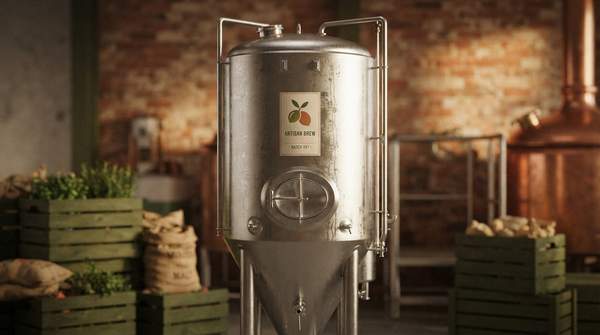
From Microbe to Flavor: Why Your Ferments Taste the Way They Do
The unique flavors of fermented foods like sourdough, kimchi, and kombucha are direct results of microbial metabolism, with lactic acid bacteria producing sourness and yeasts contributing fruity and alcoholic notes. Understanding these microbial roles allows home fermenters to predict and control the taste profiles of their creations.
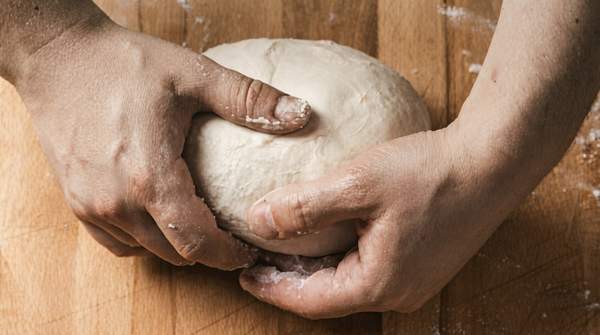
Amylase and Protease: The Two Enzymes Quietly Shaping Your Bread
Amylase and protease are key enzymes in bread dough that influence flavor, crumb, crust, and extensibility. Bakers can intentionally control these enzymes through fermentation time and temperature to master their loaves.
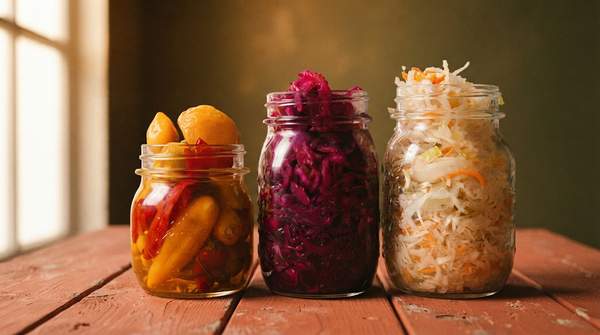
Fermentation: From Ancient Preservation to Modern Culinary Art
Fermentation, humanity's oldest biotechnological tool, evolved from an ancient preservation method into a sophisticated culinary art and a vital component of modern food science. This journey highlights how traditional wisdom, developed across diverse cultures, offers sustainable solutions for contemporary food challenges.

How to Make Kimchi at Home: A Beginner's Guide
Just 150 ml of water is all it takes to start the base for a vibrant homemade kimchi.

From Survival to Signature Dish: How Fermentation Shaped Global Cuisine
Fermentation, an ancient food preservation technique, has evolved into a sophisticated culinary art that profoundly shapes global cuisines and cultural identities by transforming basic ingredients into irreplaceable flavors and staples.