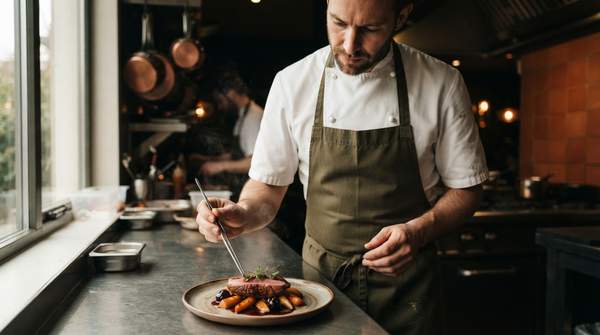
In San Francisco, a stark message was spray-painted across Grind & Unwind, a local cafe: "seriously." This act of vandalism, reported by nypost, wasn't random; it directly targeted the cafe's menu, specifically its use of AI-generated images, a fact confirmed by Theguardian and NBC Bay Area. It was a physical protest, a visceral rejection of artificial intelligence creeping into the very human, aesthetic realm of dining.
Businesses, lured by the promise of efficiency and cost-cutting, increasingly turn to AI for creative tasks. Yet, consumers are loudly rejecting these AI-generated outputs, finding them unappetizing, inauthentic, even unsettling. This clash between technological convenience and the demand for genuine experience is defining a new battleground in the marketplace. Public sentiment is clear: AI's integration into consumer-facing creative roles, especially those involving food, will face significant resistance. Without rigorous quality and an undeniable sense of authenticity, its adoption in such sensitive areas will likely slow, if not stall entirely.
Companies like the Jamaican Jerk and Barbecue Restaurant, attempting to save money by deploying ChatGPT for menu images, aren't just risking customer dissatisfaction; they're actively inviting public scorn and financial damage.
The Viral Outcry Against AI Menus
The "seriously" scrawled across Grind & Unwind was just one facet of a broader outrage. The San Francisco cafe also faced a torrent of online backlash for its AI-generated menu pictures, SFGATE reported. This condemnation erupted immediately, a rapid and widespread negative reaction to the digital displays. Across platforms, AI-generated menu pictures now go viral, frequently labeled "appalling" by viewers, according to CTV News. This swift, collective discomfort, both online and offline, reveals a deep-seated unease with the perceived inauthenticity and poor quality of AI-generated food imagery. What businesses hoped would be a cost-saving measure quickly transforms into a potent source of damaging publicity.
The Allure of AI Efficiency
The drive for operational savings is undeniable. The manager of Jamaican Jerk and Barbecue Restaurant, for instance, chose ChatGPT to generate menu images, bypassing a human graphic designer. This decision, detailed by Theguardian, speaks to a common motivation for small businesses: drastically cutting costs on creative services. For operations on tight margins, AI's promise to reduce expenditures on tasks like graphic design presents a compelling, almost irresistible, proposition. Yet, this perceived financial benefit often crumbles. AI's current inability to produce acceptable visual results leads not to savings, but to public ridicule and reputational harm, making the initial "cost-saving" a far more expensive gamble.
Why AI-Generated Food Fails the Eye Test
Jill Sennett, like countless others, found the AI-generated menu images from a Jamaican barbecue pop-up distinctly unappetizing, as reported by Theguardian. These aren't isolated blips; restaurant menus featuring AI-generated food consistently go viral precisely for their off-putting aesthetics, WIRED observed. The visuals often display unsettling features: random holes in food, cuts of meat that appear otherworldly, a disturbing lack of natural appeal. The core problem? AI struggles to replicate the nuanced, appetizing visual cues humans instinctively associate with desirable food. The result is an unsettling "uncanny valley" effect, where the images are almost right, yet disturbingly, fundamentally wrong.
The Cost of Inauthenticity
The backlash against Grind & Unwind, reported by NBC Bay Area, wasn't just about bad pictures; it was about a perceived betrayal of authenticity. This incident, and others like it, reveals a profound truth: consumers value the human touch in creative content so deeply that their disapproval can escalate beyond online comments to direct, physical protest. This isn't mere aesthetic preference; it's a cultural resistance against what feels inauthentic and soulless. While AI offers tantalizing efficiency, its deployment in customer-facing creative domains demands a rigorous commitment to quality and genuine human appeal. Ignore this, and the efficiency gains are quickly overshadowed by public backlash and lasting reputational damage.
By Q3 2026, restaurants that prioritize genuine visual appeal and human creativity, often through skilled graphic designers, will likely solidify their market position by avoiding the reputational damage seen by early AI adopters like Grind & Unwind.