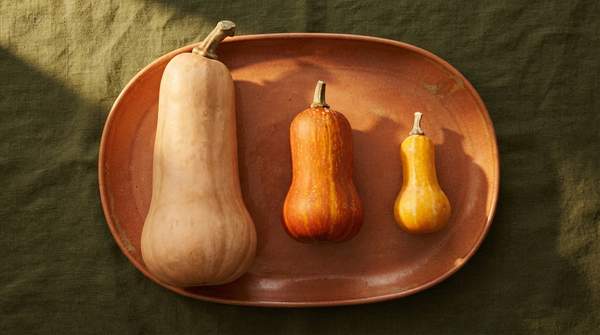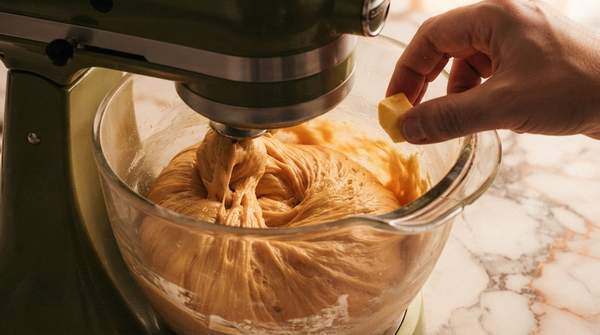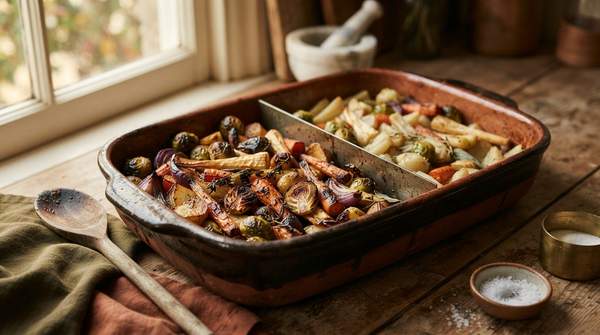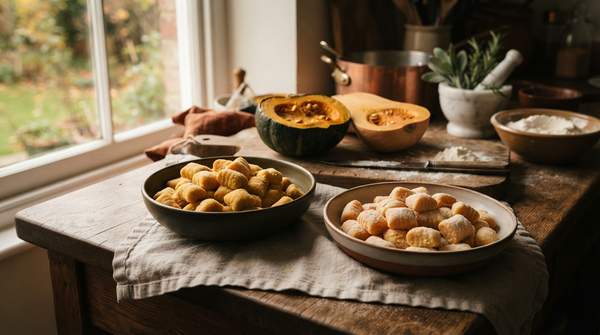
If you're trading potato gnocchi for squash this fall, the squash you pick changes everything about your evening: how sticky the dough feels, how much flour you'll burn through, and how bold a sauce the dumplings can carry. The short answer from the recipes and cook reports gathered here: kabocha squash produces a sweeter, less watery dough that's easier to handle, while butternut leans softer and wetter. Kabocha's savory depth also means it can take a stronger sauce than delicate potato gnocchi ever could.
Introduction to Fall Gnocchi: Beyond the Potato
Potato gnocchi are the classic, but they come with a well-known constraint: their flavor is so delicate that they're usually paired with very mild sauces, so nothing overwhelms the pasta. The recipe developers at Pasta Grammar, an Italian cooking site, flip that logic for autumn. Their squash version delivers what they describe as "a deeply savory and seasonal flavor" that can stand up to something bolder—specifically a butter and pecorino preparation.
Here's the reassuring part for anyone who already makes potato gnocchi: the technique doesn't change. As Pasta Grammar puts it, squash gnocchi is made exactly the same way as potato gnocchi. The one real difference is moisture. Squash is naturally wetter than potato, so the dough will inevitably be a little stickier—and, in their words, "that's ok." Expect to flour your hands and your board more than you would with potato dough, and don't panic when it clings.
Kabocha Squash Gnocchi: Sweetness and Manageable Dough
Pasta Grammar's recipe, Gnocchi di Zucca al Burro e Pecorino, is a kabocha showcase. It makes 4 to 6 servings with a cook time of about 2 hours—so this is a weekend project or a leisurely Sunday dinner rather than a 30-minute weeknight throw-together. The ingredient list is refreshingly short: half a large kabocha squash (about 1 pound), one russet potato (about 6 ounces), all-purpose flour "as needed," salt, unsalted butter, grated pecorino, and black pepper.
Two details deserve attention. First, this particular recipe includes a russet potato alongside the squash—not every kabocha gnocchi recipe does, so don't be surprised if you find versions that go all-squash. Second, the flour quantity is deliberately vague: "there's no right amount, but have plenty on hand." That's not carelessness; it's an honest admission that squash moisture varies, and you'll add flour until the dough feels right. The method starts conventionally—oven at 450°F, a pot of water coming to a boil—before the squash and potato get roasted and mashed into the base.
Butternut Squash Gnocchi: A Common Fall Favorite
Butternut is the squash most of us reach for first, and Beyond Sweet and Savory, a recipe site authored by Vy Tran, offers a butternut gnocchi dressed with brown butter, sage, and walnuts. The recipe itself follows the standard squash-gnocchi pattern, but the most useful comparison evidence comes from the recipe's own readers—home cooks reporting back after making it.
One cook wrote that they made the recipe with kabocha instead of butternut "and it turned out better than the butternut squash. Less water and sweeter." That's anecdotal, one person's kitchen experience, not a lab measurement—but it aligns with the general moisture warning from Pasta Grammar. Another reader's report reinforces how much moisture matters: using canned pumpkin and forgetting to reduce the water left their gnocchi firmer than expected, while a second attempt with honeynut squash and careful instructions produced what they called an "excellent result." The pattern across these reports is consistent: manage the water, manage the gnocchi.
Dough Dynamics: How Squash Choice Impacts Texture
Pull these sources together and a practical picture of squash dough emerges. Squash's higher moisture compared to potato means a stickier dough from the start—Pasta Grammar says so plainly, and treats it as normal rather than a failure. Your defense is flour, added gradually until the dough stops clinging aggressively. This is why the kabocha recipe refuses to name an exact flour quantity.
Within the squash family, the reader report suggests kabocha sits on the friendlier end: less water and sweeter than butternut, which translates to a dough that needs less rescue work. Butternut's wetter base can mean a softer, potentially more delicate dumpling—lovely if that's the texture you want, but it demands more patience during shaping. If your gnocchi turn out denser than expected, the reader who forgot to reduce their liquid points to the likely culprit. Roasting rather than boiling the squash, and letting the purée dry out, are the levers that keep the dough workable.
Kabocha vs. Butternut Gnocchi: A Quick Comparison
Here's the at-a-glance breakdown, built from the Pasta Grammar recipe and the cook reports on the butternut version. Where a cell rests on a single home cook's experience rather than a tested recipe, it's flagged as such.
| Dimension | Kabocha Squash Gnocchi | Butternut Squash Gnocchi |
|---|---|---|
| Base | Kabocha squash plus a russet potato in the Pasta Grammar recipe; some recipes use squash alone | Butternut squash as the primary base |
| Key ingredients | ½ large kabocha (~1 lb), 1 russet potato (~6 oz), flour as needed, salt, butter, pecorino, black pepper | Not detailed in the compared evidence; the recipe pairs it with brown butter, sage, and walnuts |
| Total time | About 2 hours for 4–6 servings (estimate; varies with skill and equipment) | Not specified in the compared evidence |
| Dough characteristics | Stickier than potato dough but manageable; reported less watery and sweeter than butternut | Reported by one home cook as wetter and less sweet than kabocha—comparative experience, not a tested instruction |
| Sauce pairing | Strong sauces; specifically butter and pecorino, per the recipe author | Brown butter, sage, and walnuts in the source recipe |
The comparison points one direction if handling ease is your priority: kabocha's lower moisture, as reported by cooks who've tried both, means less flour-thrashing and a dough that cooperates sooner.
Making Your Choice: Kabocha or Butternut?
Choose Kabocha Squash Gnocchi for a more manageable dough and a deeply savory flavor that stands up to richer sauces, or Butternut Squash Gnocchi if you prefer a potentially softer texture and are prepared for a slightly wetter dough. Budget the full two hours the kabocha recipe estimates, and remember that both paths share the same shaping technique as potato gnocchi—only the moisture changes.
How do you know your choice worked? Judge it by the ease of dough handling during preparation and the final texture of the cooked gnocchi. If the dough comes together without a flour avalanche and the finished dumplings are tender rather than dense, your squash pick was the right one—and if you want a sweeter, drier base next time, the cooks who swapped butternut for kabocha have already told you where to start.
Sources
- Butternut squash gnocchi with brown butter sage and walnuts — Beyond Sweet and Savory
- Squash Gnocchi Recipe — Pasta Grammar