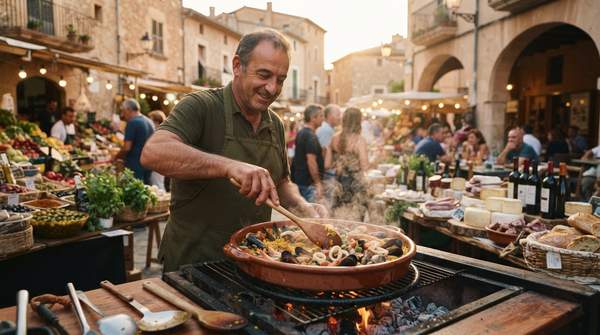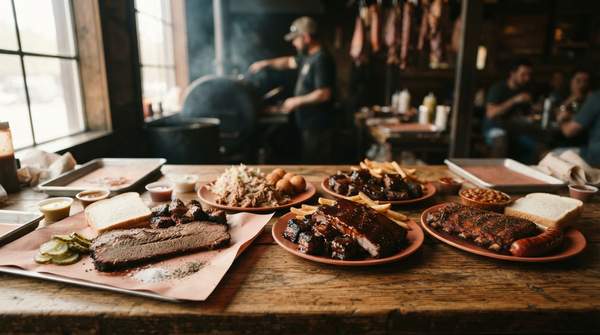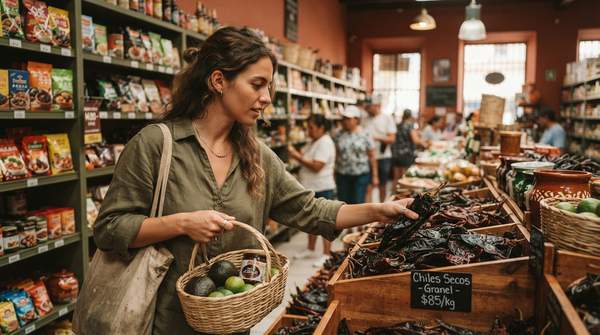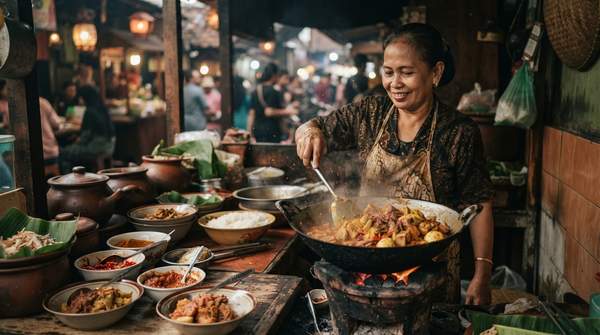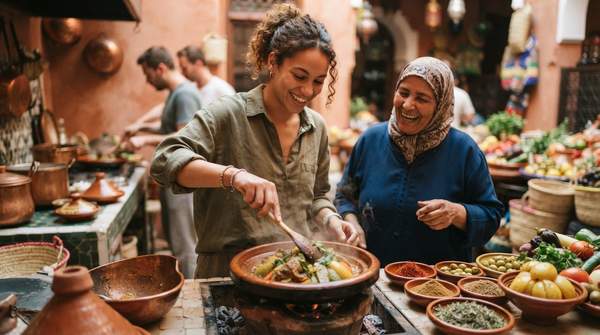
The best immersive culinary trip for you depends on one honest question: do you want to watch, taste, or get your hands dirty? Culinary tourism has moved well past the restaurant reservation. Travel industry reporting on the rise of food-driven travel describes travelers who now anchor entire trips around hands-on food experiences—market tours, cooking classes with regional chefs, farm-to-table dining, and visits to wineries and breweries. The right category for you comes down to how much participation you want and what kind of cultural insight you're after.
Beyond the Restaurant: What Is Immersive Culinary Travel?
Immersive culinary travel is exactly what it sounds like: food experiences where you participate rather than merely consume. As Eater's resort travel reporting put it, guests today "expect more than a Michelin-starred restaurant. They want to get into the kitchen and out in the field." That shift has spawned a whole ecosystem of options, from workshops in resort gardens to chef-guided market crawls in Paris.
What unites these experiences is the promise of connection. Marketing analysis from Travelboom Hotel Marketing frames food as "the gateway to culture"—the emotional bridge between a place and its people. In other words, you're not just eating dinner; you're learning why this region grows what it grows, who makes it, and how it reaches the plate. The categories below differ mainly in where you stand in that journey: at the source, in the market, in the kitchen, or in the wild.
Producer Visits: From Farm to Fork
Producer visits take you to the origin point of a food—wineries, olive groves, fromageries—and show you how it's actually made. Wilderness Travel's culinary trip catalog describes journeys that hike through olive groves and centuries-old Chianti vineyards, with picnics at family-run wineries and optional private cooking classes. The focus is on agricultural tradition and the people who maintain it.
The immersion level here is moderate: you're observing and tasting rather than laboring, but you're doing it inside a working landscape, talking to the people who run it. This category suits travelers who want to understand regional culinary heritage and the farm-to-fork journey without needing knife skills. If you've ever wondered what a vineyard smells like in October, or why a particular cheese can only come from one valley, this is your lane.
Hands-On Cooking Classes: Market-to-Table and Beyond
Market-to-table cooking classes are the workhorses of immersive culinary travel, and for good reason. You shop for ingredients alongside a local chef, then carry them back to a kitchen and learn to cook the regional repertoire yourself—usually ending with a shared meal. Chef Karl Wilder, writing for The Chef's Tours, recommends chef-led classes precisely because a local guide can explain not just technique but context: which ingredient matters, why, and where it comes from.
This is the highest-skill category, and it scales. Eater's reporting on U.S. resorts points to places like The Osthoff Resort & Spa on Wisconsin's Elkhart Lake, which doubles as a professional cooking school with a weekly-changing curriculum overseen by chef Rodney Schulz—paella one week, pasta the next. Whether you're a beginner or a confident home cook, you leave with something you can reproduce at home, which is more than most vacations can say.
Foraging and Harvesting Adventures
Foraging and harvesting tours put you in the landscape itself—fishing, foraging, or gathering wild botanicals, often on the grounds of the property you're staying at. Eater's resort guide highlights properties where guests forage on-site and then take hands-on mixology classes using produce and botanicals picked straight from the grounds. The pattern is consistent: gather, then use.
This is the most physically immersive category, and it offers something the others can't—a direct, almost primal connection between landscape and plate. You don't just learn about the local ecosystem; you harvest from it. It's best suited to active travelers who want their culinary education to come with mud on their boots. The trade-off is that the "classroom" is weather-dependent and physical, so check the season and your own fitness before booking.
Hyper-Local and Chef-Led Dining Experiences
Some of the most memorable culinary experiences are guided tastings in places casual visitors never find. Chef Karl Wilder's examples include exploring Parisian fromageries with local chefs, where you "move beyond passive tasting into active participation"—learning to assess cheese by appearance, smell, and taste, and discovering which wines complement which cheeses. The value, as he frames it, is following someone who already knows a place is good and can explain precisely why.
Group size matters here. The Chef's Tours' planning guidance suggests private chef tours typically run two to six people, small-group walking tours six to twelve, and cooking classes four to ten. Smaller groups mean more questions answered and more access. One caveat worth carrying: this evidence comes from a tour provider's own editorial content, so treat its framing of chef-led value as a sales-adjacent perspective rather than independent testing.
Choosing Your Immersive Culinary Adventure
Here's the comparison framework, built from the categories above. Read the "Best for" column against your own travel style, skill level, and cultural curiosity.
| Type of Experience | Typical Activities | Level of Immersion | Best for Travelers Who... |
|---|---|---|---|
| Producer Visits | Visiting wineries, olive groves, or fromageries to learn about production processes | Moderate — direct interaction with producers and their environment | Seek to understand the source of ingredients and regional culinary heritage |
| Market-to-Table Cooking Classes | Shopping at local markets, then hands-on cooking with regional chefs, often ending in a shared meal | High — practical skills plus cultural context through preparation | Want take-home skills and direct interaction with local ingredients; suits most skill levels |
| Foraging & Harvesting Tours | Fishing, foraging, or gathering wild botanicals, often followed by cooking or mixology with what you've gathered | Very high — direct engagement with the landscape and food sourcing | Are active travelers wanting a hands-on connection to local ecosystems |
| Chef-Led Tastings & Tours | Guided visits to fromageries, markets, or neighborhood food spots with expert explanation | Moderate to high — active tasting and learning rather than passive dining | Want insider access and expert context, with less kitchen labor |
The trade-offs fall along two axes. On participation: producer visits and chef-led tastings keep you mostly observing and tasting, while cooking classes and foraging demand your hands. On cultural depth: all four connect you to local food systems, but they do it differently—through agriculture, through markets and technique, through landscape, or through a guide's insider knowledge. Match the column to your goal and the choice mostly makes itself.
Evaluating Authenticity and Ethical Tours
Not every "authentic" tour deserves the word. Chef Karl Wilder's planning guidance offers a useful checklist for separating genuine experiences from polished tourist traps. Look for transparent sourcing: your guide should be able to name the producers they work with. Look for fair treatment of staff—small teams, local employment, fair wages. Look for community reinvestment, meaning partnerships with local markets and independent businesses. And look for a chef who acts as a guide rather than a celebrity, prioritizing your learning over their profile.
His framing is worth quoting directly: "Authenticity is not a fixed quality. It is a relationship between a place, its people, and a traveller willing to engage honestly." That cuts both ways—the tour has to be rooted in the community, and you have to show up curious. His planning advice also warns against chasing prestige: value community over status, and verify credentials, dietary options, and group size before you book anything.
Making an Informed Choice for Your Culinary Journey
Choose culinary tours that explicitly detail their connection to local producers, community reinvestment, and focus on learning to ensure an authentic and ethical experience. Before you put down a deposit, look for tour descriptions that highlight partnerships with local farmers, artisans, or community projects, and transparently explain how local staff and economies benefit. If a tour can't name its producers or show where the money goes, that silence is your answer. Book the category that matches your energy—producer visit, market-to-table class, foraging adventure, or chef-led tasting—and you'll come home with more than photos: a recipe, a technique, or a story you actually witnessed.
Sources
- The Rise of Culinary Tourism: Why Food Is Now a Primary Travel Driver — Hotel News Resource
- Enjoy Fishing, Foraging, and Focaccia-Making at These U.S. Resorts — Eater
- How to plan immersive culinary travel in 5 steps — The Chef’s Tours
- Top 8 Culinary Trips Around the World — Wilderness Travel
- 7 Inspiring Cultural Food Experience Examples to Try — The Chef’s Tours