If you want a creamy, firm, or stretchy homemade plant-based cheese, your ingredient choices—not your cooking skills—do most of the heavy lifting. Full-fat coconut milk delivers the rich creaminess that recipe developers keep returning to, while soaked cashews build a gooey, melty base, and starches and gels like tapioca and agar-agar handle the firmness and stretch. Pick your target texture first, then work backward to your ingredients.
Understanding Plant-Based Texture Basics
When I started making vegan cheese at home, I made the classic mistake: treating all recipes as interchangeable. They're not. Nearly every successful home recipe takes one of two paths to texture. The first path leans on fat—creamy bases like coconut milk or cashew cream that give cheese its luxurious mouthfeel. The second path leans on structure: starches and gelling agents that set the cheese, make it sliceable, and in the best cases, give it that mozzarella-like pull.
Most great recipes actually combine both. A cashew-coconut base gives you creaminess; a starch or gel gives you the body to hold a shape. Understanding which ingredient is responsible for which job is what lets you troubleshoot—and improvise—with confidence. This guide sticks to ingredients you can find at an ordinary grocery store, and it focuses on cheeses, butters, and yogurts rather than every dairy alternative under the sun.
Path 1: Creaminess with High-Fat Bases
Creaminess starts with fat, and the home cook's champion here is full-fat coconut milk. Monica Davis, who develops vegan cheese recipes at The Hidden Veggies, is blunt about it: after trying many methods, she has "found the richest and creamiest vegan cheese is made from a can of full-fat coconut milk." She notes you could substitute other plant-based milks or cashew cream, but for her, coconut milk delivers "the rich, creamy texture that I crave in cheese." Her smoked gouda, provolone, cheddar, and garlic herb cheeses all build on that base—and she reports that dairy eaters at her parties devour it.
Soaked cashews are the other creaminess workhorse. Blended into a smooth cream, they form the base for a wide range of plant-based cheeses, including melty, mozzarella-style ones. The catch is in the name: they must be properly soaked. Olivia Crouppen, writing for Gemma's Bigger Bolder Baking, warns that if you don't soak cashews long enough, "they will not break down fully and can make for a slightly gritty cheese." Her advice is to take your time—an overnight soak is fine. Do that, and she promises a "gooey, melty, creamy" result she calls one of her personal favorite creations.
Path 2: Firmness and Stretch with Starches and Gels
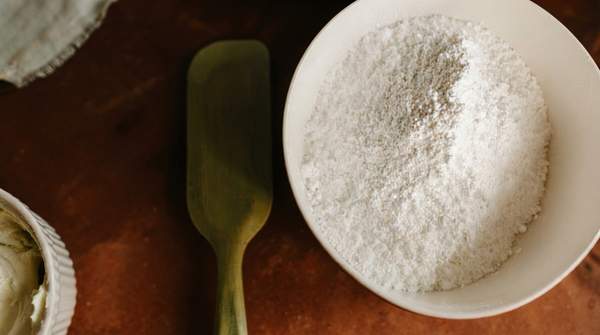
Creaminess alone won't give you a sliceable wheel or a stretchy melt. For that, home recipes turn to starches and gels. Tapioca starch is the star of stretchy vegan mozzarella recipes, where it helps the cheese set and contributes to that coveted pull. It's typically used alongside a gelling agent rather than solo—its stretchy effect shows up in recipes that also employ seaweed-based gels like agar-agar, which is what allows a soft cashew cream to firm up into something you can actually slice.
The stretchy mozzarella recipe from ShortGirlTallOrder, developed by Megan, illustrates how these pieces come together: a soaked cashew base for creaminess, with starches and gels doing the structural work. One practical note from her experience: the cheese loses some of its stretchy texture if not used right away, and she doesn't recommend freezing it because it "will likely change the texture too much." In her words, it never lasts long enough to try. Stretch, in other words, is a fresh-serve quality.
Your Quick-Reference Guide to Plant-Based Textures
Here's the decision tool: match your desired texture to the ingredient responsible for it, then choose the application where it shines. These pairings come straight from recipe developers' documented outcomes in home kitchens.
| Ingredient | Primary Texture Achieved | Best For |
|---|---|---|
| Full-fat coconut milk | Rich, creamy base | Creamy cheeses like smoked gouda, provolone, and cheddar-style blocks |
| Soaked cashews | Creamy, gooey, melty | Soft cheeses and mozzarella-style bases; must be soaked well to avoid grittiness |
| Tapioca starch | Sets the cheese; contributes to sliceable, stretchy texture | Stretchy vegan mozzarella and firm, gooey cheeses; usually paired with a gelling agent |
| Agar-agar (seaweed-based gel) | Firm, sliceable set | Cheeses that need to hold their shape at room temperature |
Read the table as a build, not a menu: a stretchy mozzarella combines a creamy base (cashews) with structure (tapioca plus a gel). A spreadable cream cheese might need nothing more than the fat path. The evidence links cashews to creaminess and gooeyness—not firmness or sliceability on their own—so don't expect a cashew-only cheese to hold a slice.
Tips for Perfecting Your Plant-Based Textures
First, soak your cashews properly—this is the single most repeated warning across the recipes. Rush the soak and you get grit; overnight is the safe route. Second, don't skip the starch-and-gel step when you need structure, and don't expect stretch from fat alone. Third, serve stretchy cheeses fresh: Megan's mozzarella loses its pull over time, and freezing is off the table because of the texture change.
Finally, treat your first successful batch as a base recipe, the way Megan does—her mozzarella becomes pepper jack with chili flakes, gouda-like with liquid smoke, or garlicky with a shake of garlic powder. Once the texture is right, flavor is the easy part. One honest limitation: these recipes document what works in practice, but the precise chemical mechanism behind tapioca's stretch isn't explained in the home-recipe evidence, so if your batch behaves differently, adjust by feel rather than theory.
Achieving Your Desired Plant-Based Texture
To achieve a specific texture in homemade plant-based dairy, select your primary base ingredient—high-fat coconut milk or well-soaked cashews for creaminess—then incorporate starches or gels like tapioca starch and agar-agar as needed to refine the final consistency toward firm or stretchy. The measurable indicator of success is simple: the final product's texture—spreadable, sliceable, or stretchable—matches the outcome you intended when you chose those ingredients. When your mozzarella pulls, your wheel slices, and your spread spreads, you'll know you picked the right path.
Sources
- How to Make Easy Vegan Cheese — The Hidden Veggies
- How to Make Vegan Cheese Recipe - Gemma’s Bigger Bolder Baking
- Vegan Mozzarella (Melty & Stretchy!) — ShortGirlTallOrder