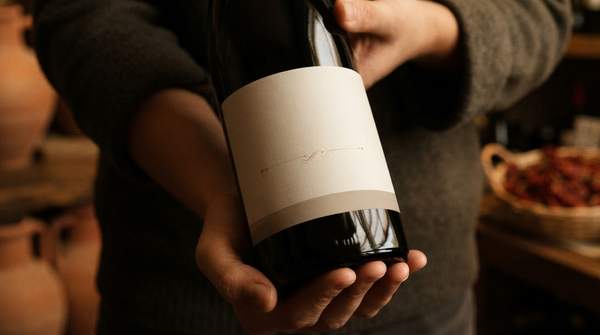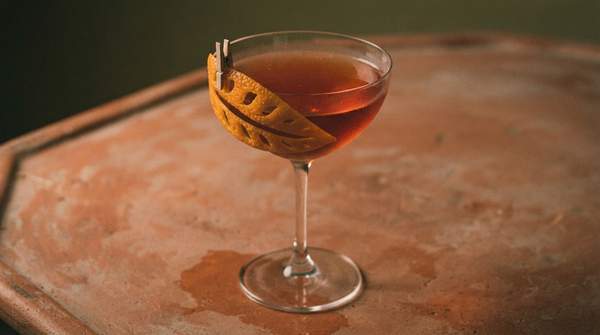
You don't need wine to make a meal sing. The right non-alcoholic pairing—one that complements, contrasts, or cuts through what's on your plate—can refresh the palate and bring complexity to dinner just as well as any pour from the cellar. The trick isn't guessing; it's matching your dish's dominant character to a handful of beverage attributes: acidity, sweetness, tannins, carbonation, and intensity. Here's how I think about it, and a framework you can use tonight.
Introduction: Elevating Meals with Non-Alcoholic Pairings
Wine has held the default seat at the dinner table for centuries, but as TÖST's Megan Farrell puts it, the best alcohol-free drinks "can do many of the same things we appreciate about wine: complement food, refresh the palate and bring complexity to a meal"—and they don't have to taste like wine to do it. The underlying logic is simple. A good pairing either complements or contrasts the flavors in a dish, working with the basic taste elements: sweet, sour, bitter, salty, and umami. Our palates naturally seek balance; when one flavor dominates—spice, richness, acidity—it can overwhelm everything else on the plate.
There's also a third move worth knowing: the cut. Acidity and carbonation cleanse the palate between bites, which is why bubbles are, as one guide put it, a "secret weapon at the table." Once you see pairing as a choice between echoing a flavor, playing against it, or scrubbing it away, every dinner becomes a solvable puzzle rather than a gamble.
Understanding Key Non-Alcoholic Beverage Categories
Before you can pair, you need to know your players. Think of these categories as your pantry of textures and flavors:
- Sparkling tea and chilled tea: floral, herbal, fruity, or roasted aromas, sometimes with a drying tannic finish. Tea provides structure and complexity while carbonation refreshes the palate between bites—arguably the most versatile category at the table.
- Shrubs: fruit-and-vinegar drinks with a tart backbone you can soften by diluting with sparkling water. This is your acidity workhorse.
- Botanical sparkling drinks: flowers, fruit, herbs, and spices, ranging from light and bright to fuller and gently tannic. Check each bottle's individual profile—this category spans a wide spectrum.
- Non-alcoholic wine: familiar styles with varying acidity, sweetness, and body. The finished bottle matters more than the varietal name on the label.
As one writer observed, the options now go far beyond "which juice will pair with this?"—you have ginger, citrus, roots, pine, body, tannins, and texture to experiment with. That range is exactly what makes a systematic approach possible.
Non-Alcoholic Pairing Decision Framework
Here's the tool I promised: a matrix that walks you from what you're eating to what you should pour. Start with your dish's dominant characteristic, decide whether you want to complement it, contrast with it, or cut through it, then pick the beverage attribute that achieves that effect.
| Meal Profile | Pairing Goal | Beverage Characteristic | Example Beverage Types |
|---|---|---|---|
| Spicy dishes | Complement (soothe) | Slight sweetness to temper the heat | Fruit-forward sparkling drinks with balanced sweetness |
| Spicy dishes | Contrast (refresh) | Bright acidity and fruitiness | Citrusy shrubs, fruit-forward sparkling beverages |
| Rich/creamy dishes | Cut | Acidity and carbonation to cleanse the palate | Acidic shrub or citrus-forward spritz with creamy pasta |
| Rich/creamy dishes | Complement | Tannins that bind with fat and smooth the texture | Roasted or tannic sparkling tea |
| Delicate/lean dishes (e.g., seafood) | Complement | Crisp, light, floral or herbal notes that match intensity | Sparkling tea, lightly flavored sparkling beverages |
| Hearty/umami dishes | Complement | Earthy, savory, roasted or gently bitter notes | Roasted tea with browned mushrooms; fuller botanical drinks |
The logic runs in one direction: dominant food characteristic → desired effect → beverage attribute → category. A slightly sweet drink calms the fire of spicy Thai noodles because sweetness balances heat. An acidic plum shrub cuts through creamy pasta because acid and bubbles scrub richness off the palate. Gentle tannins echo a rich sauce because tannins bind with fat and smooth the mouthfeel. And for delicate fish, the beverage should simply match the intensity of the food—nothing loud enough to bully it.
Applying the Framework: Practical Pairing Examples
Let's run the matrix on a few real plates. Salmon with lemon and herbs is delicate and bright, so it asks for something different from salmon with a dark, sticky glaze—start with the sauce and cooking method, not just the protein. The herby version points toward a light, floral sparkling tea; the glazed version can handle something fuller and gently tannic.
Creamy pasta is the classic cut scenario: brightness and bubbles, per Norïe's guide drawing on Michelin's reporting on restaurant pairings—an acidic shrub or citrus-forward spritz keeps the dish from feeling heavy. A hearty stew, meanwhile, suits a fuller drink than simply prepared fish, so reach for a roasted tea or a robust botanical sparkling drink. And for spicy food, TÖST recommends fruit-forward options with balanced sweetness, warning against excessive bitterness, which can intensify the perception of heat. One caution from the non-alcoholic wine world: avoid clashing—sweet with sweet turns cloying fast.
Beyond the Framework: Personalizing Your Pairing Journey
A matrix is a starting point, not a verdict. Individual recipes and personal taste can shift the ideal pairing, so treat these as defaults to riff on. Notice texture as well as flavor: carbonation refreshes, tannins dry, vinegar sharpens. If you're hosting, TÖST suggests offering at least one sophisticated alcohol-free beverage that pairs with the food—sparkling options are especially convenient because they can be chilled, opened, and poured just like wine, no per-guest mocktail assembly required. And remember that drinks with acidity, carbonation, tea tannins, botanicals, or restrained sweetness tend to be the most versatile all-rounders, so keeping one or two of those on hand covers most weeknight dinners.
Elevate Your Dining: Confident Non-Alcoholic Pairing
Readers can confidently select non-alcoholic beverages to enhance their meals by applying the decision framework and understanding beverage characteristics. The measurable indicator of success: the reader successfully identifies and chooses a suitable non-alcoholic beverage for a given meal profile. Next time you cook, name your dish's dominant trait—spicy, rich, delicate, umami—pick your goal of complement, contrast, or cut, and pour accordingly. If the pairing refreshes your palate between bites and no flavor overwhelms the plate, the framework has done its job.
Sources
- The Ultimate Guide to Non-Alcoholic Beverage and Food Pairings — Lilavolkas
- Your Guide to Pairing Non-Alcoholic Drinks with Food — Table Magazine
- NON & Food - A Match Made In Heaven — NON USA
- Best Non-Alcoholic Drinks With Dinner — TÖST
- Non-Alcoholic Drinks with Dinner: A Food Pairing Guide — Norïe
- The Complete Guide to Pairing Non-Alcoholic Wine with Food — Surely