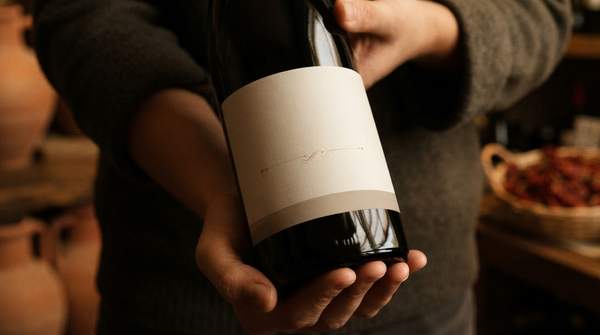
Every wine label answers the same questions—who made it, where it comes from, which grapes are in it, and when those grapes were picked—but the answers arrive in two different dialects. Old World labels from places like France and Italy lead with the region, assuming you already know which grapes grow there. New World labels from the United States, Australia and Chile lead with the grape variety, spelling out the wine's personality on the front of the bottle. Learn to recognize which dialect you're holding, and the rest of the label falls into place.
Decoding Wine Labels: Old World vs. New World Approaches
The single most useful habit you can build at the wine shop is asking one question first: is this a region-forward label or a grape-forward label? The answer tells you where to direct your attention.
Old World producers, writing in the tradition of European winemaking regions, tend to treat place as the most important fact about a wine. As the guide at burgundywine.com puts it, "in Burgundy, where the wine was grown and made is given more importance than who made it." A Burgundy label may not show the grape variety at all; instead it will likely display the words "Appellation [location] Controlee," the French system designed to guarantee the wine's origin and keep labeling transparent. The region name carries the style information: "Bordeaux" or "Burgundy" indicates a blend or a specific style of wine, not a single grape.
New World producers flip this logic. In the United States and other New World regions, labels often highlight the grape variety, as Filkins Vineyards' beginner guide explains, "assuming you'll know which grapes come from there" is the Old World's wager, while New World labels assume you want the grape named directly. Discover California Wines notes that many California labels put the grape name right on the front—Cabernet Sauvignon, Merlot, Zinfandel, Pinot Noir, Chardonnay, Sauvignon Blanc—because the variety gives you a general idea of what to expect in the glass.
Neither approach is better; they reflect different relationships between place and grape. Old World regions often have legal traditions binding specific grapes to specific places, so the region implies the grapes. New World regions lean on the grape itself as the primary indicator of style. This guide covers still wines; sparkling, fortified and dessert wines follow additional labeling conventions that we won't unpack here.