The garnish is not the cocktail's hat. It is an ingredient. Bartender and writer Natasha David argues that each garnish is "a key player in how that particular cocktail will be enjoyed," and the evidence backs her up: some drinks taste quite different without their finishing touch, as the Moody Mixologist's beginner guide notes of a Mai Tai without mint or an Old Fashioned without its orange twist. This guide compares five classic garnishes—citrus twist, cocktail cherry, olive or onion, herb sprig, and a salt or sugar rim—across aroma, flavor, visual impact, and preparation, so you can pick the right one for whatever is in your mixing glass.
Beyond Decoration: The Functional Role of Cocktail Garnishes
Ask most home drinkers what a garnish does and they will say "makes it look nice." That is true but incomplete. A garnish guide from Standard Restaurant Supply, aimed at working bartenders, lists what a properly chosen garnish actually accomplishes: it enhances aroma before the first sip, adds complementary flavors, improves visual appeal, and reinforces a cocktail's identity. Many classics are instantly recognizable by their garnish alone—a Martini with olives, a Mojito with mint, a Margarita with lime.
Shreya Goswami, writing for The Bar, makes the same point from the drinker's side of the counter: the look of a drink is the first thing that impresses, but garnishes are "vital elements that heighten aroma, taste, and visual allure." The practical takeaway for the home mixologist is simple. Treat the garnish as part of the recipe, not an afterthought, and choose it with the same intention you apply to the spirit and the mixer.
Aroma vs. Flavor: How Garnishes Make Their Impact
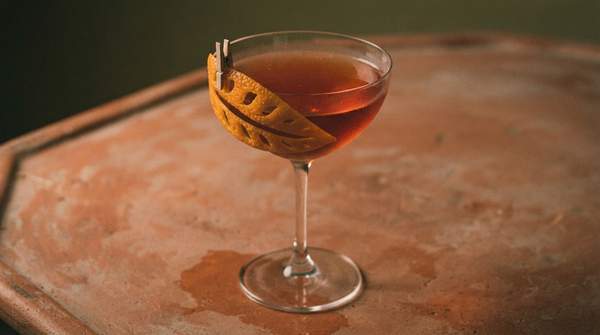
Garnishes work through two distinct mechanisms, and knowing which one you are deploying is the whole game. The first is aroma. Citrus peels are full of aromatic oils that, when expressed over the drink, add depth and nuance to the finished cocktail, as the Moody Mixologist's citrus guide explains. Herbs work the same way: a slapped sprig of mint releases oils that hit your nose the moment you lean in, changing how sweet or sharp the cocktail feels, according to Bols Cocktails' guide to the six main garnish families.
The second mechanism is direct flavor. An olive's brine, a cherry's sweetness, a salt or spiced-sugar rim—these do not just perfume the drink, they change what you taste, sip by sip. Bols frames rims as agents that "frame the whole experience from the very first sip," while olives and pickled vegetables occupy their own savory lane. Some garnishes do double duty: David notes that a lemon twist can also add an additional flavor component, not just scent. The distinction matters because it tells you what a garnish can and cannot fix—an aromatic garnish lifts a drink's nose; a flavor garnish changes its balance.