
All Stories

Struggling to Eat Out on a Diet? Here's How Menu-Order AI Delivers Confidence
Struggling to maintain your diet while dining out? Menu-Order AI is a new app designed to eliminate menu anxiety by providing real-time, personalized meal guidance for low-carb, high-protein, or GLP-1 friendly diets.
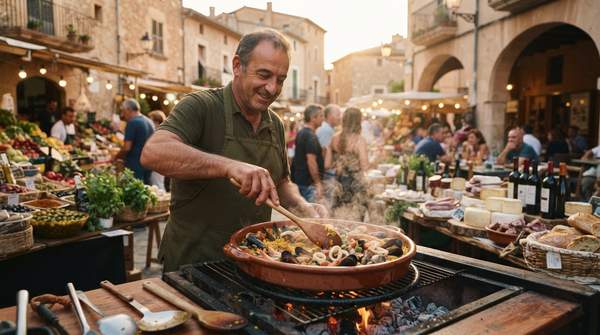
What Actually Makes a Region a Food Destination? Four Pillars, One Recipe
A region becomes a food destination through four interconnected pillars: authentic foundational resources, robust development and infrastructure, strategic marketing and promotion, and strong community sustainability. Success requires a balanced approach across all four, with authenticity as the core driver.
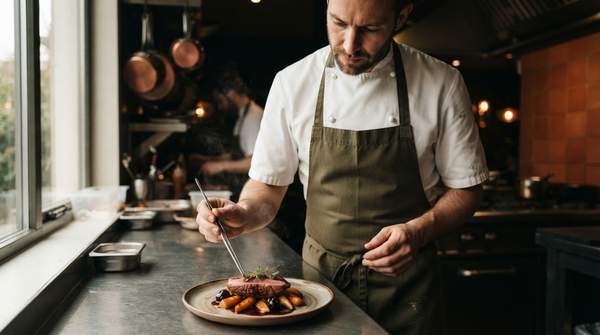
From Carême's Sketch to the Modern Kitchen: How the Chef's Uniform Earned Its Whites
The chef's uniform is a wearable résumé, with each element carrying practical and symbolic weight. Its modern form was largely shaped by Marie-Antoine Carême and Auguste Escoffier, evolving from historical needs for hygiene, safety, and professionalism.
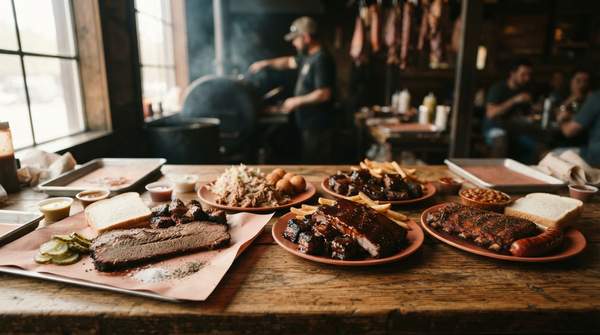
Four Iconic American BBQ Styles, Compared: Which One Should You Try?
Discover the four most iconic American BBQ styles: Texas, Carolina, Kansas City, and Memphis. Learn how they differ in meat, sauce, and philosophy to choose your next smoky adventure.
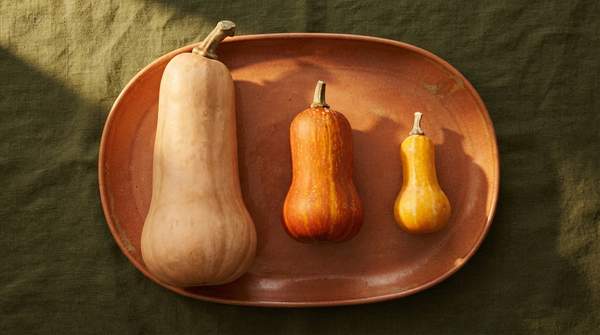
Honeynut vs. Butternut Squash: Which One Belongs in Your Dish?
Honeynut squash offers intense sweetness and a creamy texture with edible skin, ideal for purees and sweet dishes. Butternut squash provides a milder flavor and firmer texture that holds its shape, making it versatile for hearty soups, stews, and roasted sides.

From Scratch, Daily: The Hidden Story Behind BASTA. Pasteria's House-Made Italian Sauces
BASTA. Pasteria distinguishes itself by making every sauce and pasta from scratch daily, rejecting shortcuts and delivering authentic, vibrant Italian flavors. Their commitment to culinary craft redefines fast-casual Italian dining by prioritizing quality ingredients and traditional preparation.
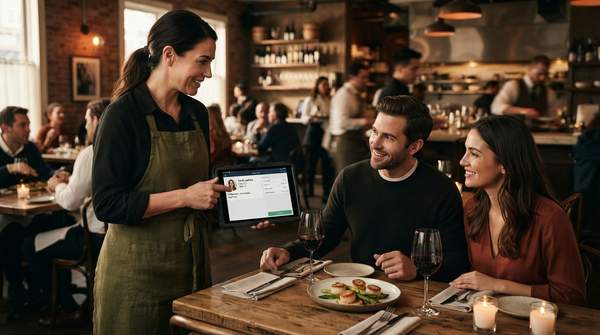
Beyond the Pager: How Modern Reservation Systems Shape Your Table, Your Bill, and Your Dining History
Modern reservation systems are sophisticated platforms that manage online booking, table management, guest communication, and dining history. Understanding their four core functions helps diners navigate policies like time limits and no-show fees with clarity.
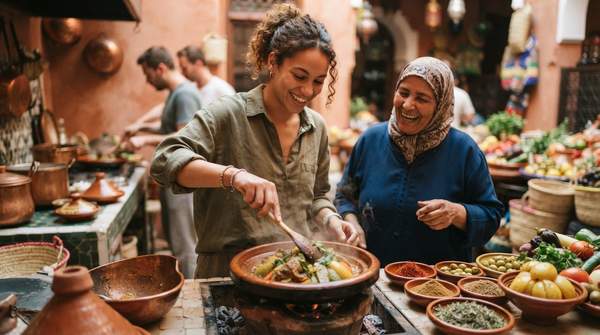
How to Choose the Immersive Culinary Trip That Matches Your Travel Style
Choosing an immersive culinary trip involves matching your travel style and desired participation level, whether you prefer observing producers, getting hands-on in cooking classes, or foraging in the landscape.
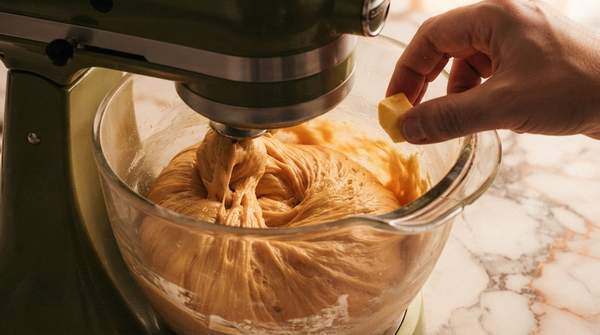
Solid Fat or Oil, Early or Late: How to Pick Your Fat for the Crumb You Want
Control the texture of your baked goods by understanding how fat's physical state (solid vs. liquid) and timing of addition (early vs. late) influence gluten development and final crumb structure. Choose fat type and timing to achieve desired tenderness, flakiness, moisture, or chewiness.
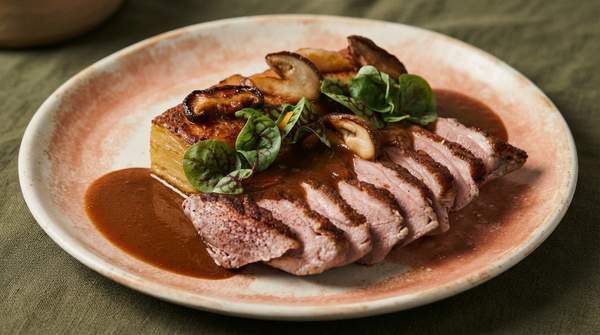
How Chefs Engineer Flavor: The Sensory Science Behind a Fine-Dining Experience
Flavor in fine dining is a deliberate construction, engineered by chefs through the manipulation of taste, aroma, texture, temperature, and trigeminal sensations. Understanding these sensory channels reveals the scientific design behind a chef's intentional culinary experience.

Head-to-Head Test: bon COOK BONMAT vs. Silpat—Which Non-Stick Mat Is Really Best?
This article compares the bon COOK BONMAT with other non-stick baking mats, specifically Silpat, to determine which offers superior performance, safety, and value for home cooks. It delves into material composition, certifications, and versatility to highlight key differences.
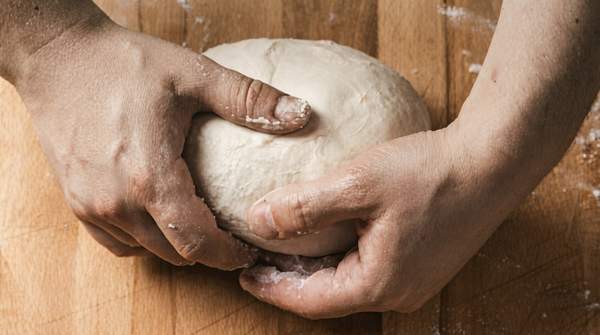
Amylase and Protease: The Two Enzymes Quietly Shaping Your Bread
Amylase and protease are key enzymes in bread dough that influence flavor, crumb, crust, and extensibility. Bakers can intentionally control these enzymes through fermentation time and temperature to master their loaves.
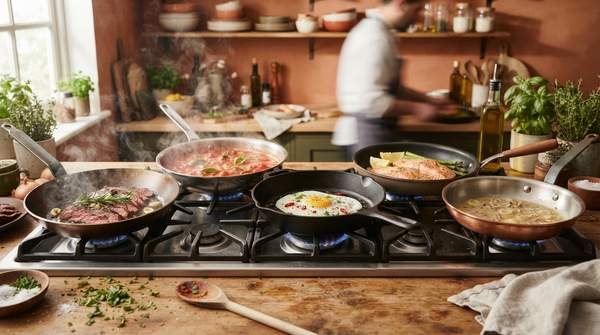
Five Cookware Materials, One Kitchen: Which Pan Actually Fits How You Cook?
Choosing the right cookware material involves understanding trade-offs between heat handling, reactivity, and maintenance, matching the pan to your specific cooking tasks. There is no single best material, but rather optimal choices for searing, delicate foods, or acidic sauces.
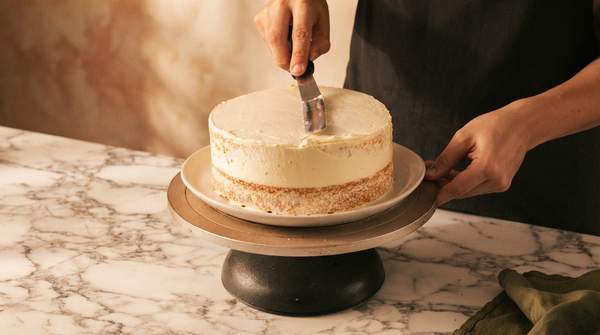
Why Your Cake Is Dry and Pale: A Sugar Chemistry Diagnostic for Home Bakers
The type and amount of sugar used in baking chemically dictate a cake's moisture, browning, and tenderness. This article provides a sugar chemistry diagnostic framework to help home bakers troubleshoot and fix common issues like dry, pale, or tough cakes.
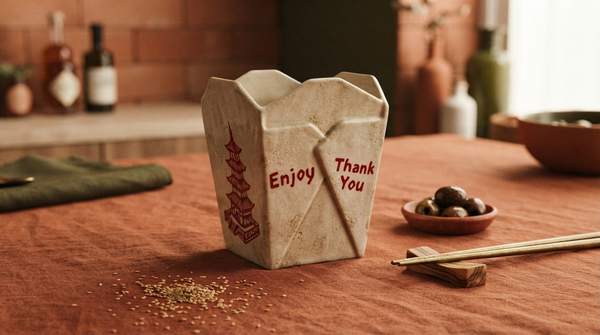
The Chinese Takeout Box Is an American Invention: How an Oyster Pail Became a Cultural Icon
The iconic Chinese takeout container, often featuring a red pagoda, is a distinctly American invention, patented in 1894 as a pail for oysters. It evolved from a practical vessel for fresh seafood to a ubiquitous symbol of Chinese-American cuisine, deeply embedded in American culture.

Medium Fusion Ground Coffee Under the Hood: How Tieman's Fusion Coffee Pulls It Off
For coffee drinkers seeking more than just a morning jolt, understanding how Tieman's Fusion Coffee 's proprietary blend actually works is key. This isn't simply coffee with things added; it's a re-engineered beverage de…
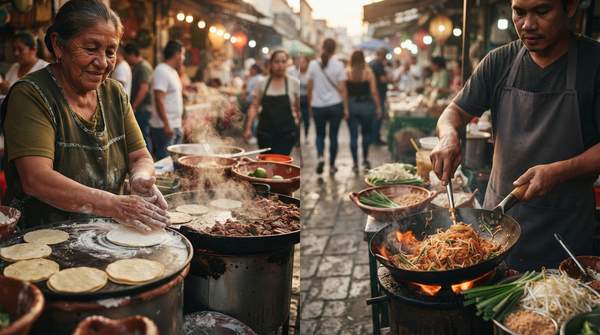
Reading the Street: How Tacos and Thai Noodles Carry Their History to the Curb
Street food acts as an edible archive, revealing a region's history through its foundational agriculture, trade, and migration patterns. Dishes like tacos and Thai noodles offer tangible connections to centuries of cultural evolution.
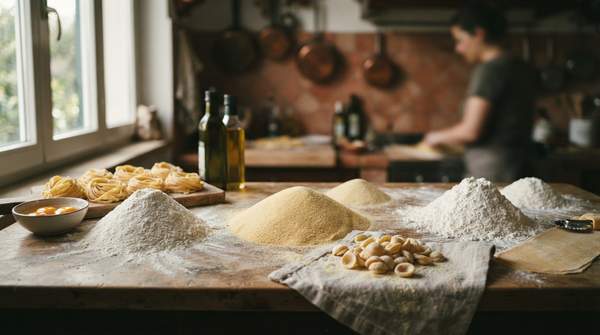
00, Semolina, or All-Purpose? The Flour That Decides Your Pasta's Personality
The choice of flour—'00', semolina, or all-purpose—fundamentally determines the texture and personality of your fresh pasta. Opt for '00' for tender, egg-based pastas, semolina for chewy, eggless shapes, and all-purpose for a versatile, though less distinctive, result.
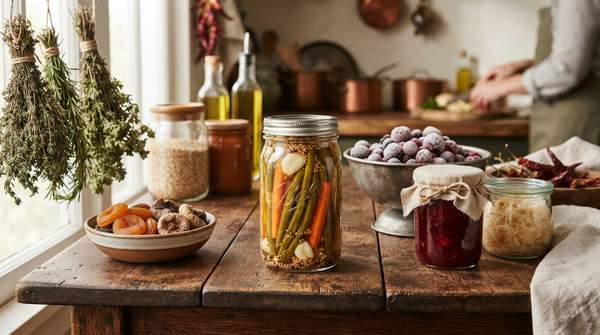
Why Food Preservation Actually Works: The Science of Moisture, Cold, and Acid
Food preservation techniques work by altering the food's environment to inhibit spoilage, with methods like drying, freezing, and pickling leveraging the science of moisture, cold, and acidity.
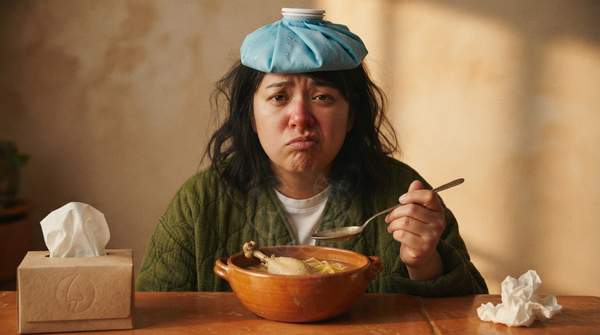
Flavor Isn't on Your Tongue: How Your Brain Builds It from Taste, Smell, and Texture
Flavor is a complex construction your brain builds by integrating taste, smell, and texture, not just signals from your tongue. Understanding this multisensory experience changes how you perceive and appreciate food.

5 Surprising Reasons Snacks Galore Hawaii Makes the Perfect Hawaiian Gift Box
Snacks Galore Hawaii offers the perfect Hawaiian gift boxes, tapping into the growing consumer demand for authentic, experiential food gifts. Their curated selections provide a genuine taste of the islands, featuring unique local flavors beyond typical stereotypes.
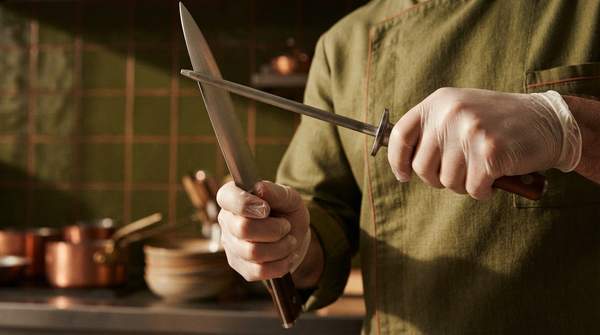
How to Choose the Right Sharpening Angle for Your Knife
Choosing the right knife sharpening angle involves a trade-off between edge sharpness and durability, dictated by the knife's primary use. Understanding this balance and applying a decision framework based on force and precision will help you select the optimal angle for your blade.
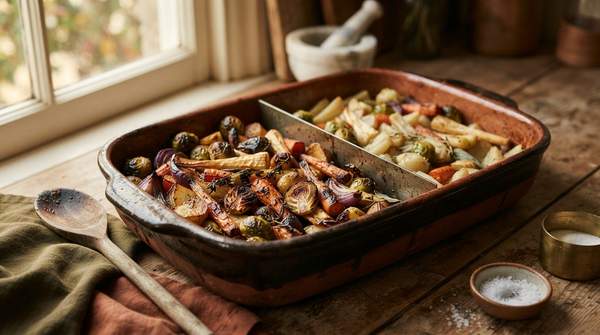
Two Reactions, One Roasting Pan: How to Control Browning and Sweetness in Vegetables
Roasted vegetables owe their delicious flavor and color to two distinct chemical processes: the Maillard reaction for savory depth and caramelization for sweetness. Mastering heat, moisture, and pan spacing is crucial for controlling these reactions and achieving perfectly roasted results.
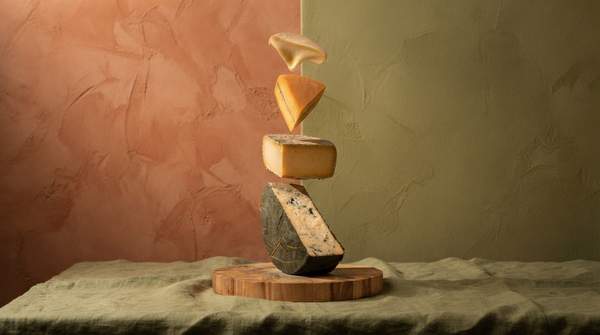
How to Build a Balanced Artisanal Cheese Board: A Three-Dimension Selection Framework
Build a balanced artisanal cheese board with a framework based on three dimensions: texture, flavor intensity, and milk type. This method helps select 3-5 cheeses to create a cohesive tasting experience with variety.