
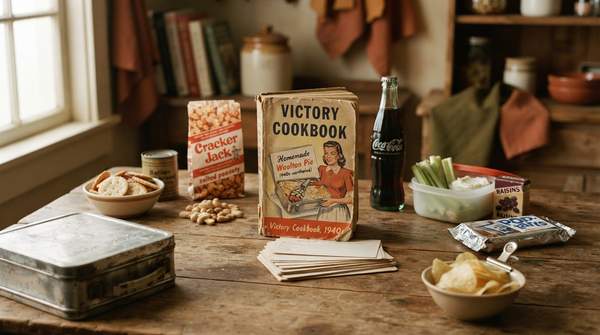
American snack culture is a vibrant tapestry woven from centuries of changing tastes, economic shifts, and evolving lifestyles. What began as simple sustenance to bridge meals has transformed into a complex phenomenon where snacks often replace traditional meals, reflecting a dynamic interplay of historical events and cultural forces. From the practical provisions of early colonial settlers to the globalized, health-conscious options of today, the story of American snacking is one of continuous innovation and adaptation.
The Roots of American Snacking: From Colonial Sustenance to Early Treats
In the early colonial era, snacking was less about indulgence and more about necessity. Settlers relied on basic, portable foods like pickles, jerky, and Jumble cookies to sustain themselves between larger meals, according to Holly Urban writing for RudiGourmand. These were functional items, designed to provide energy and bridge hunger gaps in a demanding environment. As the nation grew and industrialization began to take hold, the landscape of American eating started to shift, paving the way for more varied and accessible treats.
The late 19th century saw the emergence of street vendors selling simple, portable foods such as peanuts and popcorn, as noted in community discussions on Facebook. This period marked a transition from purely utilitarian eating to the enjoyment of small, convenient treats. These early forms of public snacking laid the groundwork for the commercial snack industry that would soon revolutionize American eating habits.
Industrialization and the Dawn of Packaged Snacks (Late 19th - Early 20th Century)
The late 19th and early 20th centuries were pivotal for American snack culture, driven by industrialization and major public events. The ability to mass-produce and package foods significantly expanded the availability and variety of snacks, as Holly Urban observed. A key moment arrived with the 1904 Saint Louis World's Fair, which introduced a host of new treats to the American public, including cotton candy, hot dogs, and waffle cones, according to community insights shared on Facebook.
This era also saw the rise of iconic packaged snacks. Potato chips, invented in 1853, became a top-selling salty snack, while Cracker Jack emerged around the turn of the 20th century, sometimes referred to as America's first "junk food," according to Facebook community discussions. The National Biscuit Company, now known as Nabisco, began offering packaged snacks in 1896, marking a significant step in making convenience foods widely available. These innovations catered to a growing desire for ease and variety, sparking a national interest in snacking that continues to evolve.


