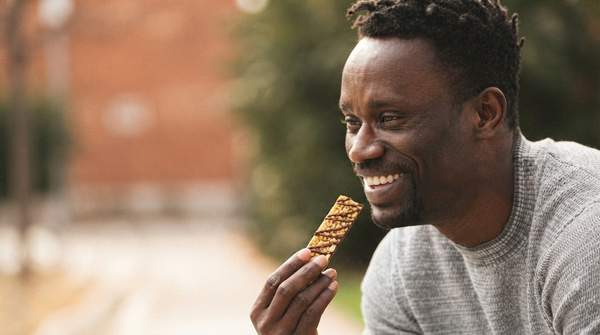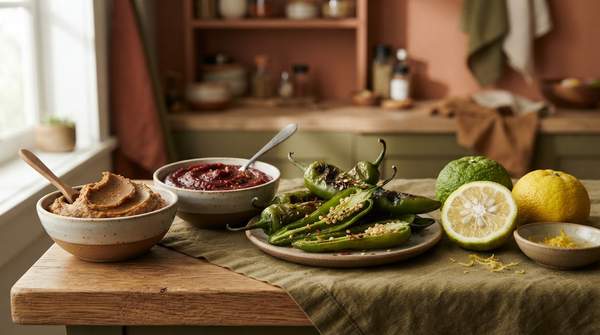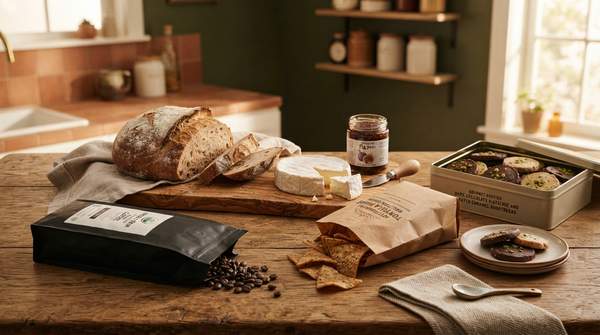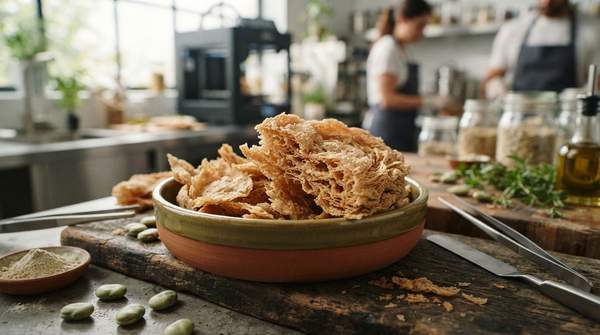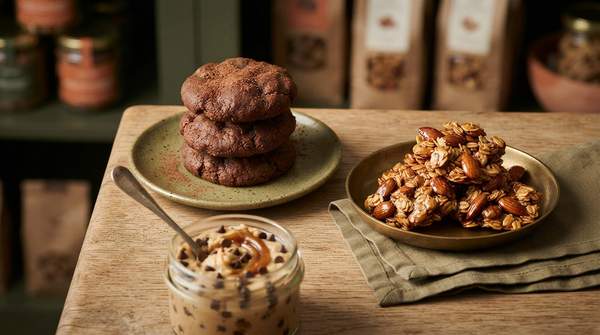
Dessert isn't sitting politely at the end of the meal anymore—it's elbowing its way into the snack aisle. Three distinct trends are driving that shift in the US market: flavors borrowed from cooking techniques, whole-food sweeteners like dates, and the stubbornly persistent nostalgia of formats like cookie dough. Together they explain why your snack drawer suddenly tastes like a pastry kitchen.
Here's the short version: if you crave comfort, look for caramelized and toasted notes. If you want indulgence without the guilt, dates are your fruit. And if you just want joy, cookie dough never really left. Let's break down each one.
Trend 1: Cooking-Technique Flavors
The most striking data point in recent flavor research isn't a trendy ingredient at all—it's a cooking process. In Mintel's US consumer research, 59% of snack consumers expressed interest in preparation-inspired snack flavors, and among dessert and candy consumers, caramelized flavors led the pack as a trial driver at 51%, followed by salted, toasted, and "browned" notes like browned butter.
Think about what those words have in common: they all describe something happening in a pan. Caramelization, toasting, browning butter—these are the sounds and smells of a kitchen, compressed into a chip or a candy bar. The appeal is familiarity. You already know what browned butter tastes like, even if you've never made it yourself.
According to Mintel's analysis, these flavors make it easier for consumers to substitute meals with snacks, because a snack that tastes like a cooked dish feels more substantial than one that tastes like pure sugar. A caramelized note promises warmth; a toasted note promises depth. It's comfort food distilled into portable form.
For home cooks, the takeaway is simple: the next time a snack label says "toasted" or "smoked," that's not random adjective inflation. It's a deliberate play for your nostalgia for the stove.
Trend 2: Whole-Food Sweeteners and the 'Health Halo'
Dates are the unlikely superstar of the cleaner-snacking movement. As FoodChain Magazine's Iain reported in June 2026, dates offer "sweetness, texture and nutrients in a recognizable format"—a whole fruit you can picture, unlike a laboratory-derived sweetener.
The sticky texture is doing real work here. It makes dates useful as a natural binder in snack bars and blended desserts, which means manufacturers can build an indulgent-tasting product while keeping the ingredient list short. Date caramel, date bark, stuffed dates—the applications all lean on the fruit's ability to deliver sweetness that feels indulgent but less processed.
That's the health halo in action: the perception that a treat sweetened with fruit is somehow more virtuous than one sweetened with sugar. FoodChain Magazine's reporting is careful on this point—dates should not be marketed as a free pass on sugar. The honest pitch is practical, not miraculous: a whole food that happens to be sweet.
The same logic extends beyond dates. Figs, dried mango, tahini, nut butters, and minimally processed fruit-based products all benefit from the same consumer desire: snacks that feel satisfying without feeling engineered.
Social Media's Role in Accelerating Snack Trends
None of this happens in a vacuum. FoodChain Magazine's analysis credits social media with turning "a traditional fruit into a modern craving," noting that stuffed dates, date bark, date caramel, and blended date desserts all perform well on platforms built around simple recipe formats.
The mechanism is visual. A date stuffed with almond butter and drizzled with chocolate is a thirty-second video waiting to happen. The fruit's sticky texture and whole-food appearance photograph beautifully, and the short ingredient list fits the "less processed" framing that performs well with Millennial and Gen Z audiences.
What social media does especially well is compress the trend cycle. A format like stuffed dates doesn't need a marketing budget to spread—it needs one creator with good lighting and a persuasive hook. By the time a product lands on shelves, the demand has already been rehearsed online.
Dessert-Snack Trends at a Glance
Here's the comparison that puts the three trends side by side, drawn from the consumer research and product analysis above.
| Trend Category | Key Flavor Profile | Example Snack Applications | Primary Consumer Appeal |
|---|---|---|---|
| Cooking-Technique Flavors | Familiar, comforting tastes from processes like caramelization or browning (caramelized, toasted, browned butter) | Snacks mimicking familiar recipes from breakfast through dessert | Comfort and familiarity; makes snacks feel meal-worthy |
| Whole-Food Sweeteners | Natural fruit sweetness with texture and nutrients | Whole-food snack positioning; oatmeal-raisin-style products; date-based bars and desserts | Health halo; guilt-free indulgence; visual social media appeal |
| Modern Nostalgia | Beloved childhood formats (cookie dough, s'mores) | Cookie dough sundaes and similar indulgent treats | Emotional connection; playful indulgence |
The pattern across all three rows is the same: consumers want snacks that feel like something—cooked, whole, or remembered. What they're rejecting is the engineered middle ground.
Navigating the Sweet Snack Landscape
Consumers and snack enthusiasts should explore products featuring cooking-technique flavors for comfort, whole-food sweeteners for a 'health halo,' and nostalgic formats for indulgent treats, recognizing social media's role in their popularity. The three trends serve different moods: reach for caramelized and toasted notes when you want something warm and familiar, date-based snacks when you want sweetness that feels less processed, and nostalgic formats when you simply want the treat you loved as a kid.
The measurable indicator to watch is continued growth in new product launches across these three trend categories, particularly those gaining traction on social media platforms. If the pattern holds, the snack aisle will keep looking more like the dessert case—and the kitchen.
Sources
- The surprising food trend reshaping healthy snacking habits — FoodChain Magazine