The best kitchen upgrades for your home aren't hiding in a housewares boutique. They're sitting in unglamorous aisles at your local restaurant supply store, where the half-sheet pans, bench scrapers, and tongs are built for daily commercial abuse—and priced accordingly. Bon Appétit writer Alaina Chou found that a pair of Winco tongs that cost $8.50 on Amazon ran $3.50 at the store she visited. If you want tools that outlast the decorative stuff, here are the upgrades worth the trip, and exactly what to look for.
The Professional Edge: What Makes These Tools Superior?
Restaurant supply stores exist to equip professional kitchens, so the products are designed around one question: will this survive constant use? That design brief is exactly why these tools transfer so well to the home. A pan that holds up to nightly service in a busy kitchen will breeze through your weekly sheet-pan dinners.
The advantage is mostly in the materials. Sheet pans, for example, are "best made of heavy-gauge aluminum and with about an inch lip all the way around," according to Kendra of The Lazy Genius, who buys hers at a local restaurant supply store and calls them "possibly the biggest workhorses" in her kitchen. Heavy-gauge metal means even heat distribution and resistance to the warping and buckling that plague thinner consumer pans in a hot oven. (The exact gauge thickness isn't specified in these sources—look for "heavy-gauge" or ask staff.)
There's also a practical benefit to shopping in person: Chou notes that a restaurant supply store puts "all of your options laid out in front of you for you to see, touch, and evaluate," which matters when the whole point of the purchase is heft and build quality.
Essential Upgrades: Top Tools for Your Home Kitchen
Which tools deliver the biggest jump from consumer grade? Based on the expert recommendations gathered here, three stand out, each chosen because the professional version solves a specific everyday problem.
The half-sheet pan. A heavy-gauge aluminum pan with a roughly one-inch lip replaces bulky single-purpose roasting pans for most jobs. Kendra found that "the same tasks could be accomplished with sheet pans and Dutch ovens" as with a dedicated roasting pan. Line it with foil or parchment, add oiled, seasoned vegetables, and dinner largely makes itself.
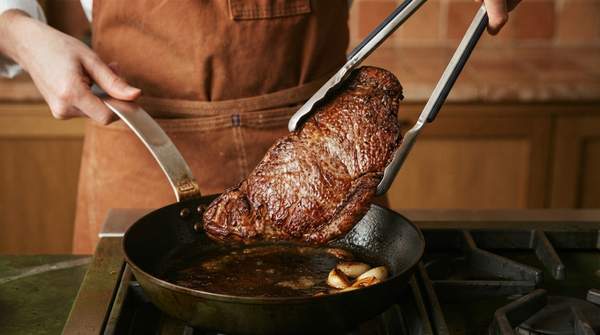
Utility tongs. America's Test Kitchen contributor and former line cook describes tongs as "an extension of your hand," used "constantly to get the job done" for anything too hot to touch: stirring, flipping, picking up, plating. The no-frills Edlund Heavy Duty Locking Tong is "ubiquitous in restaurant kitchens" because its indented pincers grip food better—a nine-inch pair is a sensible home size, and locking ones store flat in a drawer.
The bench scraper. A restaurant-supply staple worth grabbing while you're there: a rigid steel blade does dough portioning, transferring chopped vegetables, and scraping flour off the counter in seconds—jobs that flimsier consumer versions handle poorly.
Restaurant Supply vs. Home Store: A Tool Comparison
This table isolates the construction and material differences that matter, and connects them to the concrete performance outcome you'll notice at home.
| Tool | Restaurant Supply Version (Key Features) | Typical Consumer Version | The Practical Advantage for Home Cooks |
|---|---|---|---|
| Half-sheet pan | Heavy-gauge aluminum with about a one-inch lip all around | Lighter pans, often sold on non-stick coatings rather than metal thickness | Even heat distribution and warp resistance mean consistent roasting of vegetables and reliable baking for years |
| 9-inch utility tongs | No-frills heavy-duty locking design; Edlund's version has indented pincers for a better grip | Slicker, more decorative tongs frequently found at housewares retailers | An "extension of your hand" for stirring, flipping, and plating hot food with precision; the locking mechanism stores them flat |
| Bench scraper | Rigid, heavy-duty blade built for constant commercial use | Smaller, more flexible scrapers marketed as single-purpose gadgets | Portions dough, scoops chopped food, and cleans counters in one motion—efficiency that lighter versions can't match |
The pattern across all three: the professional versions win on metal thickness, rigidity, and function-first design, not on looks. That translates directly into better cooking results and longer tool life.
Your First Trip: A Guide to Shopping at a Restaurant Supply Store
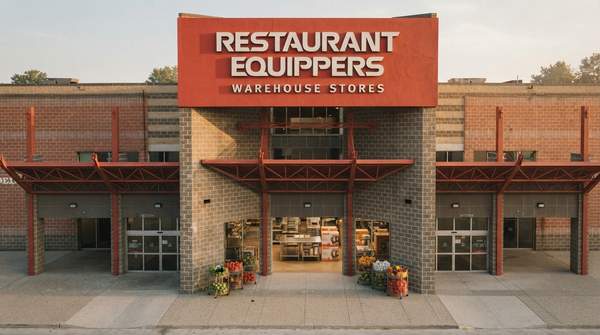
Many restaurant supply stores are open to the public alongside trade customers, so walk in like you belong—because you do. Expect a function-first environment: aisles of tools organized by task rather than by brand story or color scheme. There may be quirky extras along the lines of the specialty piping tips and decorative signage Chou describes, but stay focused on the workhorse tools.
Two rules will serve you well. First, judge with your hands, not your eyes: pick items up, feel the weight, and check the metal thickness where you can. Second, look for material specifications—phrases like "heavy-gauge aluminum" and "heavy-duty" printed on labels or listed on shelf tags tell you what you're actually buying. The same items stocked by big online retailers are often cheaper at the store, as the tongs price comparison suggests, though availability and pricing vary by location, so treat that as a pattern rather than a guarantee.
Remember what not to buy on your first visit: skip large appliances and specialized commercial equipment. Your home stove and storage don't need restaurant-scale gear, and this guide's advice is built around hand tools and basic cookware for home cooks—not a professional kitchen's requirements.
Making the Smart Upgrade: Your Next Steps
Home cooks should prioritize purchasing heavy-gauge aluminum sheet pans, heavy-duty stainless steel bench scrapers, and durable 9-inch utility tongs from restaurant supply stores to achieve significant upgrades in kitchen performance and tool longevity.
The measurable indicator that the upgrade worked: the home cook observes improved cooking consistency, reduced tool replacement frequency, and enhanced efficiency in food preparation tasks. Start with the half-sheet pan—it's the most versatile of the three—then add tongs and a bench scraper on the same trip. Within a few weeks of roasting vegetables and turning food on the stovetop, you'll feel the difference in your hands and see it on the sheet pan: even browning, no buckling, no replacements needed.