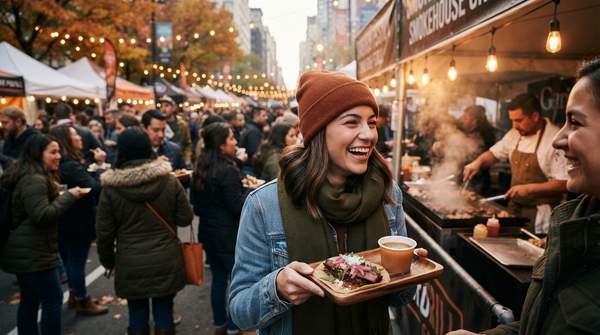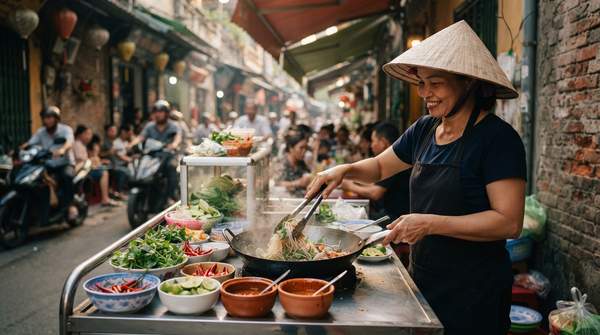
Street food is some of the best eating you'll ever do, and the safest way to enjoy it is to judge the stall before you judge the menu. Experienced travelers consistently rely on the same handful of observable cues: a line of locals, food cooked fresh in front of you, clean surfaces, and hands that never touch both money and your meal. None of it is complicated, and none of it requires a laboratory. It's a sixty-second read of any stall, anywhere.
Introduction: Navigating the World of Street Food Safely
Here's the good news for the adventurous eater: you don't need to skip street food to stay well. Jamie Davis Smith, a writer who has traveled to nearly 90 countries and eats street food with her children, made it through almost three weeks in India without getting sick once while eating street food several times a week — by following a consistent set of precautions. Her approach, echoed by other seasoned travel writers, is built on watching what a vendor actually does rather than guessing.
The logic is simple. A busy stall turns over its food quickly, so nothing sits around growing trouble. Visible cooking lets you confirm your meal reaches proper heat. And the small habits — separate hands for money, raw ingredients kept apart from cooked food — are exactly the things a careful vendor does and a careless one doesn't. One caveat worth keeping in mind: looking for vendors popular with locals is, as Smith herself puts it, "not exactly a scientific approach to food safety." It's an indicator of trusted spots, not a guarantee.
Your Street Food Safety Checklist
Run through this before you order. The more green flags you see, the better your odds; a cluster of red flags means walk on — there is always another stall.
| Indicator | Green flag (eat) | Red flag (pass) |
|---|---|---|
| Customer traffic | A line of people waiting, especially locals | An empty stall with food sitting idle |
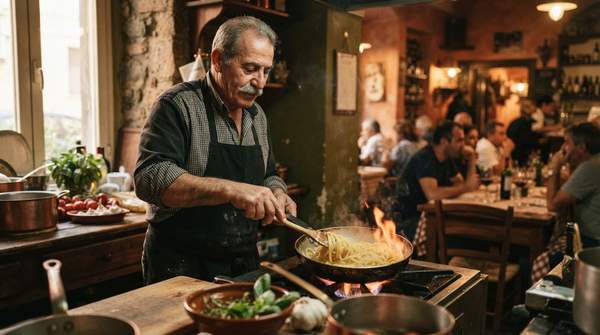
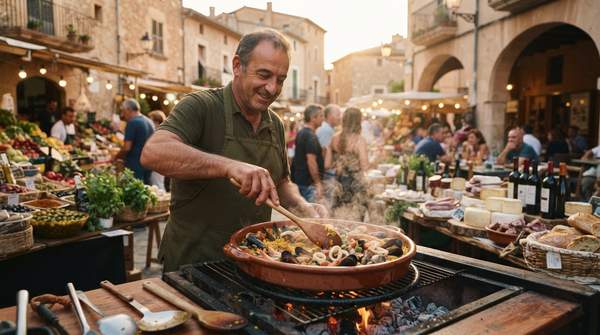
| Preparation visibility | Cooking happens in plain view | Food prepared out of sight |
| Temperature and freshness | Food is fresh off the heat, served hot | Lukewarm or pre-cooked food held at ambient temperature |
| Money and food handling | Money and food handled by separate hands or tools | The same bare hands taking cash and assembling your meal |
| Raw and cooked separation | Raw ingredients kept apart from ready-to-eat food | Raw and cooked food stored together |
| Cleanliness | Surfaces and utensils look clean and sanitary; food smells fresh | Dirty grills, grimy surfaces, off odors |
Busy stalls deserve special weight in your read. High turnover means fresher ingredients and less time for bacteria to multiply, and locals — as Smith notes, citing food-safety expert Kwok — tend to know the spots that won't make them sick. It's crowd-sourced quality control, performed daily by people with far more experience than you.
Smart Choices: What to Eat and What to Avoid
The vendor is half the equation; what you order is the other half. The core rule from travel writers is to stick to food that's cooked, served hot, and made fresh — heat is your friend, and anything that never meets the flame is a bigger gamble.
- Water: Check CDC guidelines for your destination before you travel. If the tap water isn't safe, drink bottled water and confirm the seal is intact before your first sip.
- Ice: If the water isn't safe, skip ice entirely. Smith also asks that any glass she pours a drink into be completely dry, since even drops of wash water left behind can cause illness.
- Other drinks: Favor bottled sodas, juices, and beer. As Kwok advises, manufacturing plants — especially large corporations and international brands — generally follow accepted hygiene best practices.
- Fruit: Avoid unpeeled fruit; peelable is preferable when raw produce is on offer.
- Vegetables: Skip raw, uncooked vegetables unless you trust the place.
- Seafood: Be cautious unless you know it's fresh and well-cooked.
- Packaging: Make sure lids and packaging are sealed before you accept them.
One important scope note: the caution around ice and raw produce matters most where the local water supply isn't confirmed safe — Smith's own practice is to check country-level CDC guidance first, and to use bottled water even for brushing her teeth in places where the tap isn't drinkable. In destinations with safe water, some of these rules relax; the CDC check tells you which situation you're in.
Eat Confidently, Explore Adventurously
Travelers can significantly reduce their risk of foodborne illness by consistently applying these observable hygiene and popularity indicators when choosing street food vendors. The checklist isn't about fear — it's about walking up to a stall with a system, so you can order the interesting thing instead of the safe-seeming thing.
Be clear about what this is and isn't. It's general guidance, not a guarantee: no checklist eliminates risk entirely. It's not a guide to specific dishes or destinations, and it's not medical advice if illness does strike. What it offers is a repeatable decision process — scan the line, watch the hands, check the heat, mind your water — that turns an anxious guess into a confident call.
The measurable indicator of success is simple: a traveler who applies this framework enjoys street food throughout their trip without experiencing foodborne illness — or, just as importantly, confidently passes on vendors that don't meet the safety criteria. Either outcome is a win. The next stall is usually thirty meters away, and it's probably delicious.
Sources
- I've been to nearly 90 countries and never skip the street food.… — Yahoo Travel
- A Guide To Safe Street Food — Matador