Despite the rarity of such crimes, the U.S. Customs and Border Protection (CBP) now cites 'agro-terrorism' as a real post-9/11 threat, according to Eater. This stark re-framing transforms a cherished tradition of global culinary exchange into a high-stakes encounter, where a simple jar of local spices can become a national security concern. Travelers, even with good intentions, navigate an unpredictable system where personal cultural acts are viewed through a lens of national security, risking arbitrary confiscation.
Yet, travelers seek to bring home unique culinary items as a form of cultural inheritance, driven by a deep desire to extend the flavors and memories of their journeys. These prized possessions often face strict import regulations and practical challenges, threatening their safe passage home.
As global travel resumes, the demand for authentic culinary souvenirs will likely increase, making it even more critical for travelers to understand and prepare for the complexities of international food transport.
More Than Just a Taste: The Cultural Value of Edible Souvenirs
For many, food from homelands offers a taste of home, keeps traditions alive, and serves as cultural inheritance, as Eater notes. A carefully selected French cheese or a unique Colombian coffee blend provides a tangible link to places visited and experiences lived. These edible mementos become stories, shared with friends and family, extending the journey beyond mere photographs. They embody unique flavors and culinary traditions discovered abroad. This deep personal connection to food explains why travelers brave complex regulations.
Discovering Distinctive Flavors: What Makes a Great Culinary Souvenir?
The Hot Ones Season 29 Lineup 10-Pack, curated by Heatonist, includes 'The Last Dab' at 2,693,000 Scoville heat units, according to The New York Times. Yamatsu Tsujita offers a three-pack of Japanese spice mixes—Sansho Powder, Shichimi Togarashi, and Yuzu Shichimi Togarashi—also highlighted by The New York Times, allowing travelers to bring home nuanced Japanese cuisine. Fishwife provides a three-pack of tinned fish, featuring smoked mackerel with chili flakes, tuna in spicy olive oil, and chili-crisp smoked salmon, as noted by The New York Times. From intensely spicy hot sauces to complex regional spice blends and gourmet tinned fish, the world offers an endless array of distinct, shelf-stable flavors for culinary exploration at home. Yet, travelers attempting to personally import these 'edible souvenirs' increasingly trade cultural enrichment for the risk of confiscation.
The Journey Home: Packing Challenges for Prized Provisions
Edible souvenirs are tricky to pack and transport safely, a reality many travelers discover firsthand, according to Bon Appetit. Beyond customs regulations, securely packing delicate or liquid food items adds complexity. Bottles of olive oil, jars of preserves, or fragile chocolates demand careful cushioning to prevent breakage or spoilage. This requires thoughtful planning, often meaning travelers invest in specialized containers or extra baggage space. The excitement of finding a unique item can quickly turn to frustration if it arrives damaged or leaking. Robust packing strategies are essential.
Curated Picks: Bringing Global Tastes to Your Kitchen
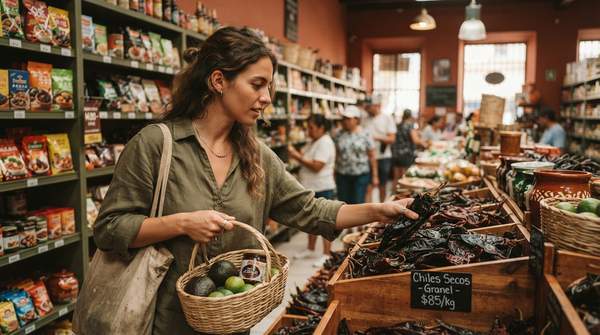
Milk Street's Che Fico Calabrian Chili Bomba, made with Calabrian and Fresno chilies, roasted garlic, and vinegar, offers a potent taste of Italy, as mentioned by The New York Times. This robust flavor bomb is a shelf-stable item that travels well and delivers significant culinary impact. Salsa Daddy: A Cookbook by Rick Martínez, also highlighted by The New York Times, explores 100 recipes focused on Mexican regional sauces. While not edible, a cookbook provides a lasting connection to a region's flavors and cooking traditions, bypassing many customs hurdles. These curated selections, from potent chili condiments to comprehensive regional cookbooks, offer excellent choices for bringing authentic culinary inspiration home.
Customs & Declarations: What You Need to Know
What are the most popular food souvenirs from Europe?
Popular European food souvenirs often include aged cheeses like Parmesan, cured meats such as Spanish jamón, olive oils from Italy or Greece, and regional honeys. Always ensure these items are commercially packaged and sealed, as homemade goods are frequently prohibited.
How to pack food souvenirs safely for travel?
For liquid or semi-liquid items, double-bag them in sealed plastic bags to prevent leaks, then wrap them in clothing for extra cushioning. Solid, non-perishable items like spices or dried goods should be placed in hard-sided luggage to protect them from crushing.
What are unique edible gifts from different countries?
Unique edible gifts vary widely by region; examples include saffron from Spain, artisanal chocolates from Belgium, rare tea blends from Japan, or specific regional vinegars from France. Researching local specialties and their import restrictions before travel helps ensure a smooth journey home.
The Enduring Appeal of Edible Mementos
Travelers won't face penalties if they declare agricultural items, according to Eater, but inspectors could discard prized foods. Honesty prevents fines, but doesn't guarantee entry, leaving travelers vulnerable to arbitrary loss. If international travel continues its resurgence by 2026, informed travelers who prepare for these complexities will likely be the ones successfully bringing cherished global flavors into their home kitchens.