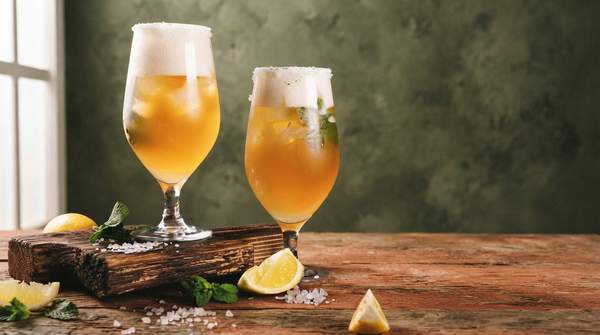
A beer and wine license is not a consolation prize—it can be the foundation of a genuinely creative, profitable cocktail program. The trick is to stop thinking about what you can't pour and start thinking in flavor profiles: agave, grain, molasses, botanical. Each of those profiles can be replicated, or reimagined, with wine-based spirits, fortified wines, aromatized wines, and beer. This guide lays out a substitution framework, a set of foundational ingredients to build from, and the business case for going this route in the first place.
Introduction: Crafting Cocktails with a Beer and Wine License
Most on-premise beer-and-wine licenses do not permit distilled spirits, which is why operators often assume a cocktail program is off the table. But as Modern Restaurant Management notes, that restriction actually creates opportunities for innovation: a beer and wine license allows restaurants to craft a unique cocktail menu featuring wine-based liquors, without the liquor insurance or extensive paperwork that comes with a full license. Wine-based spirits can be used to create popular cocktails like margaritas, daiquiris, and mojitos, letting smaller restaurants compete with larger chains that can afford full liquor licenses.
There are also hard business reasons to consider the lighter license. Full liquor licenses are expensive and, in many markets, scarce—cost and availability hurdles that a beer and wine license sidesteps. The operational burden shrinks too: a smaller inventory, less specialized staff training, and lower insurance overhead. And consumer demand increasingly favors unique, lower-ABV drink experiences, which a wine-forward program delivers naturally. One caveat before we go further: liquor licensing rules and beverage classifications vary significantly by state and locality, so treat everything here as a framework, not legal advice.
Spirit Substitution Guide for Beer & Wine Licenses
The fastest way to build a beer-and-wine cocktail menu is to map each spirit you wish you could pour to a legally compliant substitute. The table below organizes the substitution logic by flavor profile, so you can scan down the left column for the drink you want to offer and across to find your base.
| Target Spirit Profile | Wine/Beer-Based Substitute | Example Cocktail Application |
|---|---|---|
| Agave (Tequila) | Agave wine, including 100% blue agave products such as El Jinete Blanco | Margaritas, Palomas, and Pisco-style sours |
| Molasses/Sweet (Rum) | Rum-profile wine-based spirits, such as Rhumbero | Cuban-style daiquiris and mojitos |
| Grain/Oak (Whiskey) | Barley-based shōchū, where legally permitted (e.g., no higher than 24% ABV in New York and California) | Whiskey-style cocktails with grain-driven character and body |
| Cane/Fruit (Cachaça-style) | Wine-based products such as Klir Red | Caipirinha-style drinks |
| Beer-based (no spirit imitation) | Beer itself, dressed up with savory and citrus ingredients | Micheladas |
The agave row is the workhorse. Agave wine serves as an ideal substitution for tequila, which allows for classic favorites like Margaritas and Palomas—and because the Margarita remains one of the most popular cocktails in the country, pour cost on that single drink can shape your whole beverage margin. On the rum side, wine-based spirits exist that mimic rum's flavor profile; Premium Blend's Santos describes Rhumbero as a great starting point for Cuban-style daiquiris and mojitos, and Klir Red as an excellent base for caipirinhas. These are representative examples of a category, not an exhaustive product list.
The whiskey row comes with the biggest asterisk. Shōchū is not universally legal under beer-and-wine licenses: New York and California make specific exceptions for soju and shōchū as long as the product is no higher than 24% ABV, but most states' on-premise beer-and-wine licenses do not permit distilled spirits at all. Where it is allowed, shōchū offers unusual range—its variety of base ingredients lets a bartender create cocktails with different characters within a single distillate category, and barley-based shōchū can deliver the grain-driven character and body associated with whiskey in cocktails.
Beyond Imitation: Fortified Wines, Aromatized Wines, and Beer
Imitating spirits is only half the strategy. The other half is building drinks that never needed spirits in the first place, using ingredients you may already stock. Sherry is the standout here—it is increasingly popular on American bar menus, and sherry-based cocktails like the Flor de Jerez show how a fortified wine can carry a full drink on its own. Sherry brings oxidized, nutty, savory depth that plays well with citrus and aromatized wines, giving your menu an adult, food-friendly register that a fake-vodka sour can't match.
Beer deserves equal billing. Micheladas are another option for beer-and-wine-only operations, and they offer a distinct category of legally compliant drinks built on beer, lime, spices, and savory elements rather than on any spirit substitute. Sangria is the third pillar—elrestaurante.com describes it as essentially a wine cocktail that has been around for generations, yet embraces many values of the craft cocktail movement: fresh fruit and carefully chosen ingredients. It's an obvious choice for tapas-style restaurants, and it scales beautifully for service.
Together, sherry drinks, beer cocktails, and sangria give your menu breadth that doesn't depend on any specialty substitute product. That matters for cost, for inventory simplicity, and for the guest who wants something interesting but isn't looking for a Margarita knockoff.
Crafting Your Menu: Techniques and Considerations
How you build these drinks matters as much as what's in them. Moses Laboy, who runs the beverage program at Bottle & Bine, advises bartenders to have a few go-to cocktails in their repertoire to satisfy guests' palates, and to keep flavor profiles fresh and clean when building layers of flavor. His warning is worth taping to the bar station: with these complex, low-ABV spirits, wines, and beers, it is very easy to get carried away and create murky tipples.
That restraint principle shapes technique. Because wine-based substitutes are lower in alcohol and often softer in flavor than their full-proof counterparts, they need structure: acid to lift, aromatics to fill the mid-palate, and careful dilution so the drink doesn't read as flat. When swapping a wine-based product into an existing recipe, bar staff can simply adapt cocktail recipes that appeal to them, swapping the full-proof liquor out one-for-one—then tasting and adjusting, because the balance point will shift.
Menu architecture helps too. Lead with recognizable names (a Margarita built on agave wine, a mojito built on a rum-profile wine spirit) so guests immediately understand the offer, then place your original sherry and beer-based drinks alongside as the program's signature. That structure signals both familiarity and creativity—exactly the positioning a beer-and-wine program needs to compete with the bar down the street.
Building a Distinctive & Profitable Beer & Wine Cocktail Program
Restaurant and bar operators can successfully implement a creative and profitable cocktail program with only a beer and wine license by strategically utilizing wine-based spirits, fortified wines, and beer, while understanding local regulations. The framework is straightforward: map your must-have cocktails to wine-based substitutes by flavor profile, anchor the menu with sherry, beer, and sangria drinks that stand on their own, and keep the builds clean and bright.
Before you print the menu, confirm with your local licensing authority how your jurisdiction classifies wine-based spirits and shōchū—those definitions vary significantly by state and locality, and they determine which rows of the substitution table apply to you. Then measure what matters: the payoff shows up as increased customer satisfaction and beverage revenue, indicated by positive customer feedback on unique drink offerings and growth in beverage sales. Track pour cost on your agave-wine Margarita and watch the sales mix on your sherry and Michelada section; those two numbers will tell you quickly whether your beer-and-wine program is pulling its weight.
Sources
- How a Creative Cocktail Program with a Beer and Wine License Can… — Modern Restaurant Management
- Limited Liquor Licenses: No tequila? No rum? No problem! — Elrestaurante
- How to Build a Creative Cocktail Program Without a Full Liquor License — SevenFifty Daily
- Expanding Your Beverage Menu: Maximizing Profits with a Beer and Wine License - Premium Blend
- So, You Don't Have a Full Liquor License? - Tales of the Cocktail Foundation