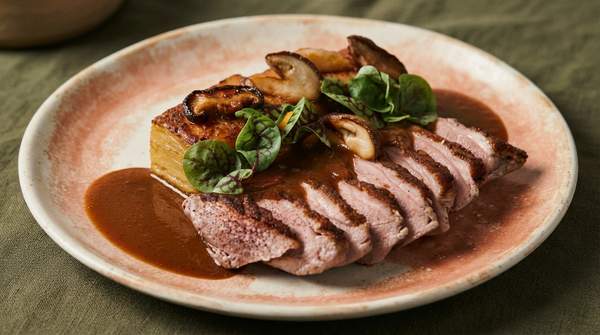
The pursuit of a reservation at Hayato, the intimate seven-seat Japanese kaiseki restaurant nestled within Downtown Los Angeles' ROW DTLA, is a culinary quest demanding precision, patience, and an unwavering adherence to its stringent booking policies. Far from a casual dining experience, Hayato offers a meticulously crafted seasonal kaiseki, earning it 2 Michelin Stars from 2021 to 2026 and recognition as a top restaurant by the Los Angeles Times in 2022. Securing a seat requires navigating a highly competitive system designed to ensure reservations land in the hands of genuine diners, not resellers or automated services. This guide will illuminate the exact rules, timing, and strategies necessary to maximize your chances of experiencing this exclusive culinary destination.
Hayato's Esteemed Dining Experience: Setting Expectations
Hayato is not merely a restaurant; it is an immersive culinary journey, a testament to the artistry of Japanese kaiseki. With only one seating per night for a total of seven guests, the experience is profoundly intimate, allowing diners to observe the seasonal kaiseki being prepared in an open kitchen. This extreme exclusivity, coupled with its consistent critical acclaim—including its 2 Michelin Stars for five consecutive years and its ranking as the #1 of 101 Best Restaurants in Los Angeles by the Los Angeles Times in 2022—elevates the demand to extraordinary levels. The Dinner Omakase is priced at $450 per guest, a prepaid commitment reflecting the caliber of the ingredients, the meticulous preparation, and the unparalleled artistry involved. This significant investment underscores the importance of understanding the reservation process thoroughly to avoid disappointment and ensure a legitimate booking.
Mastering the Reservation System: Timing and Platform
All reservations for Hayato are exclusively managed through the Tock platform, a system known for handling high-demand dining experiences. The critical window for booking opens precisely on the first day of each month, releasing availability for the subsequent month. Prospective diners must be prepared to act swiftly, as reservations are known to "vanish instantly" upon release, a phenomenon reported by both Apple Maps guides and The Infatuation. For instance, the official Tock page for Hayato specifies that new reservations for an upcoming month will be released on October 1, 2026, at 5:00 PM UTC. For those in Los Angeles, this translates to precisely 10:00 AM PST. This exact time synchronization is paramount for any serious attempt to secure a booking, as even a few seconds' delay can mean missing out on the coveted seven seats.
Strict Policies: Anti-Resale and Guest Verification Explained
Hayato employs exceptionally strict policies to combat the resale of reservations and ensure that the dining experience is accessible to those who genuinely book it. The restaurant explicitly states that "ALL RESERVATIONS ARE NON-TRANSFERRABLE," a measure deemed necessary "in order to stop the resale of reservations." This means any attempt to sell or transfer a reservation will result in its cancellation. For first-time guests, a crucial requirement is to present a photo ID upon arrival that precisely matches the name on their Tock confirmation email. This stringent verification process is a direct deterrent against fraudulent bookings.
Furthermore, Hayato unequivocally states that reservations made through any concierge service will not be honored, with "absolutely no exceptions" made. The restaurant clarifies that this policy is "in the best interest for the guests trying to book themselves." The use of bots, scripts, or other alternative booking methods is also a direct violation of Tock's Terms of Use, leading to severe consequences including reservation cancellation and permanent account restriction. To further ensure equitable access and prevent hoarding, guests are limited to one reservation per month; any attempt to book more than once within a single month will result in the cancellation of all associated reservations.
These comprehensive policies collectively aim to preserve the integrity of the booking process and the exclusivity of the dining experience.
Hayato Reservation Checklist: Your Path to a Seat
To maximize your chances of securing a reservation at Hayato, a methodical approach is essential. This checklist outlines the critical steps and considerations, from pre-booking preparation to post-booking requirements and key restrictions.
| Aspect | Detail | Action for Diners |
|---|---|---|
| Pre-Booking Preparation | Account Setup | Create and verify your Tock account well in advance. Ensure all payment information (prepaid $450 per guest) is current, saved, and tested for rapid checkout. |
| Time Zone Conversion | Confirm the exact release time: 10:00 AM PST (5:00 PM UTC) on the first of the month. Set multiple alarms across different devices to ensure you are ready. | |
| Guest Information | Have the full names and any necessary details for your party (limited to 1-2 guests) ready to input quickly without errors. | |
| Internet Connection | Ensure you have a stable, fast internet connection and are using a reliable device (e.g., desktop computer) for optimal speed. | |
| Booking Day Actions | Platform Access | Log into Tock several minutes before the 10:00 AM PST release time. Navigate directly to the Hayato reservation page. |
| Page Refresh | Precisely at 10:00 AM PST, refresh the Hayato reservation page. Be prepared for immediate availability to appear and disappear. | |
| Speed and Precision | Select your desired date and time immediately upon seeing availability. Proceed to checkout without hesitation, as reservations vanish instantly. | |
| Payment | Complete the prepaid $450 per guest transaction swiftly using your saved payment method. Any delay can result in losing the reservation. | |
| Post-Booking Requirements | Confirmation Email | Verify receipt of your Tock confirmation email. This is your official proof of reservation and contains crucial details. |
| Photo ID | For first-time guests, ensure you bring a valid government-issued photo ID that precisely matches the name on your Tock confirmation email. | |
| Key Restrictions | Non-Transferable | Understand that reservations cannot be transferred, sold, or gifted. Attempts to do so will result in cancellation. |
| No Concierge Services | Do not use third-party concierge services; reservations made this way will not be honored, with no exceptions. | |
| No Bots/Scripts | Avoid any automated booking tools, as this violates Tock's terms of use and will lead to reservation cancellation and permanent account restriction. | |
| One Per Month Limit | Limit yourself to one reservation per guest per month. Booking more than once will result in all your reservations being cancelled. |
Maximizing Your Chances: Tips for First-Time Guests
While the immediate rush for reservations on the first of the month is fiercely competitive, first-time guests can still enhance their prospects through strategic engagement. Hayato's Tock page features a "Notify" option, allowing interested diners to sign up for alerts should a reservation become available due to cancellations or other openings. It is important to note that making multiple "Notify" requests simultaneously will not improve your chances. However, Hayato reportedly prioritizes guests with a longer history of "Notify" requests when sending out availability. This suggests that consistent, long-term engagement with the "Notify" feature, rather than a one-off attempt, could be beneficial for those who are not successful on the initial release day. Persistence and a clear understanding of the system's nuances are key to navigating this highly sought-after dining experience.
Your Decision: Committing to the Hayato Reservation Challenge
To successfully secure a reservation at Hayato, prospective diners must commit to meticulous preparation, precise timing, and strict adherence to the restaurant's anti-resale and verification policies. The reward for this diligence is an unparalleled kaiseki experience, recognized by Michelin and the Los Angeles Times for its exceptional quality and intimacy. The measurable indicator of success will be a confirmed Tock reservation email with matching guest ID information, signifying that you have successfully navigated the booking system and complied with all of Hayato's stringent rules, thereby earning your seat at one of Los Angeles' most exclusive tables.