When people say a restaurant "has a Michelin," they are usually referring to a Star or a Bib Gourmand—accolades that belong to the establishment, not to any single person working inside it. But the Michelin Guide also runs a second, parallel system of recognition: its Special Awards, which honor individuals—the mentor shaping young cooks, the sommelier elevating the wine list, the young chef already making waves. According to the Guide's own descriptions, these two families of accolades differ fundamentally in focus, criteria, and meaning, and understanding the divide is the key to reading any Michelin announcement correctly.
Beyond the Stars: Understanding Michelin's Dual Recognition System
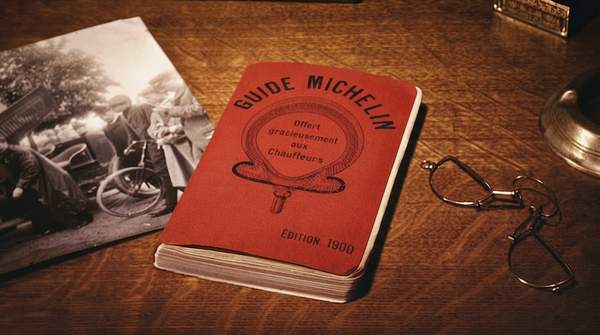
The Michelin Guide's core output has always been restaurant reviews, conveyed through short summaries and a system of symbols, the most revered of which are its globally renowned stars. Restaurants may receive zero to three stars for the quality of their food, judged against five criteria. Alongside this culinary rating sits the Bib Gourmand, and beyond both stretches a category of Special Awards that the Guide frames quite differently: as honors for "women and men — in the kitchen or front of house — who use their expertise and passion to ensure diners enjoy an unforgettable gastronomic experience." The distinction is explicit in the Guide's own words—unlike Stars and Bib Gourmands, which highlight the work of a whole restaurant, the Special Awards honor individuals.
Restaurant-Level Distinctions: Honoring Culinary Establishments
The restaurant-level distinctions form a hierarchy of food quality. Stars are awarded for the quality of the food alone, on five criteria: the quality of ingredients used, mastery of flavor and cooking techniques, the personality of the chef in the cuisine, value for money, and consistency between visits. Notably, Michelin's inspectors do not consider interior decor, table setting, or service quality when awarding stars—those elements are instead indicated separately through the "covers" system, represented by the fork-and-spoon symbol. The Bib Gourmand, named after Bibendum, the Michelin Man, recognizes friendly establishments serving good food at moderate prices. Below both sits the broader selection: restaurants listed in the red book without a Star or Bib Gourmand are judged by the same five criteria and, in the words of former International Director Michael Ellis, represent "simply a good meal."
Individual Special Awards: Celebrating Talent and Contribution
The Special Awards invert the frame entirely. A restaurant does not win the Sommelier Award; a person does—and the Guide is careful to say that individuals are honored "no matter the distinction of their restaurant." A sommelier at an unlisted bistro, in principle, competes on the same footing as one at a three-star temple of gastronomy, because the award measures the person's expertise and contribution rather than the establishment's overall food quality. This is a structural difference, not just a cosmetic one: the five star criteria never enter the evaluation. Instead, each Special Award carries its own purpose-built definition, focused on professional conduct, potential, mentorship, or guest-facing skill.
Key Individual Awards Explained
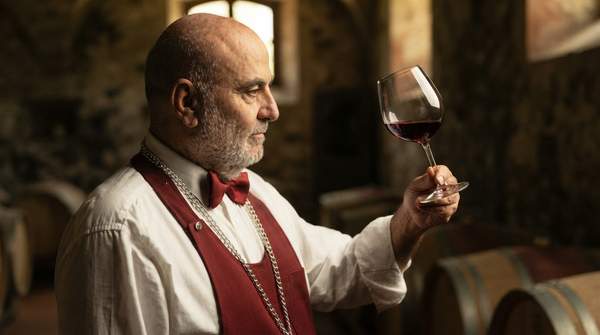
The Guide's own 101-style explainer names several Special Awards with their stated criteria. The Service Award recognizes professionals whose dedication, personality, and ability make customers feel welcome and comfortable. The Young Chef Award honors a young chef who has proven special potential and is already making waves in the culinary world. The Opening of the Year Award is a slight hybrid: it recognizes a team for opening an outstanding restaurant within the past 12 months, one that has made an impact on the local dining scene. The Sommelier Award honors professionals whose expertise enhances the guest experience through exemplary wine selection, pairings, and service.
The Mentor Chef Award, as illustrated by the 2027 Thailand edition presented by WP Energy, honors chefs whose unwavering dedication to nurturing the next generation has made a lasting impact on the culinary industry—that year bestowed on Arnaud Dunand-Sauthier of Maison Dunand, a One-Star restaurant in Bangkok, for mentoring young professionals from commis to sous chef.
Michelin Guide Accolades: Restaurant vs. Individual Recognition
Setting the two systems side by side makes the dividing line immediately visible. The table below categorizes each accolade by the Guide's own stated focus and criteria.
| Accolade Type | Focus | Primary Criteria | What It Recognizes |
|---|---|---|---|
| MICHELIN Star (One to Three) | Restaurant | Ingredient quality; mastery of flavor and cooking techniques; the chef's personality in the cuisine; value for money; consistency between visits | Exceptional quality of the establishment's food; decor and service are excluded and shown via "covers" instead |
| Bib Gourmand | Restaurant | Good food at moderate prices | Friendly establishments offering quality food and value; a distinct rating, not a consolation prize |
| Selected (listed, no Star or Bib Gourmand) | Restaurant | The same five criteria as Star and Bib Gourmand restaurants | A chef using quality ingredients that are well cooked; in Michelin's phrase, "simply a good meal" |
| Service Award | Individual | Dedication, personality, and ability to make customers feel welcome | A front-of-house professional who ensures a memorable visit |
| Young Chef Award | Individual | Proven special potential and early impact in the culinary world | An emerging chef already making waves |
| Sommelier Award | Individual | Expertise in wine selection, pairings, and service | A professional whose wine knowledge enhances the guest experience |
| Opening of the Year Award | Team, for a restaurant opening | An outstanding restaurant opened in the past 12 months | An opening that has made an impact on the local dining scene |
| Mentor Chef Award | Individual | Dedication to nurturing the next generation of culinary talent | Lasting impact through mentorship, from commis to sous chef and beyond |
Two caveats keep this framework honest. First, the Opening of the Year Award straddles the boundary: it goes to a team, and it exists because of a new restaurant, yet the unit of recognition is the people behind the launch rather than sustained food quality over time. Second, the Guide also issues a grape-based distinction for vineyards—One, Two, or Three Grapes—rewarding winemakers as well as properties, which shows the same person-and-place logic extending beyond restaurants.
Navigating Michelin's Diverse Recognition Landscape
The practical takeaway is a sorting rule: if the accolade certifies the food on the plate against the five published criteria, it belongs to the restaurant; if it celebrates what a named professional does—mentoring, serving, pairing wine, breaking through young—it is a Special Award, independent of the restaurant's own star status. This article's descriptions are drawn from the Michelin Guide's public explanations of its own categories rather than any independent investigation of its inspection process, and it does not attempt a global winners' list.
Armed with the framework above, readers can confidently identify whether a newly announced Michelin accolade recognizes a restaurant's culinary excellence or an individual's specific contribution to the dining experience—and that categorization is the measurable test: the next time a Michelin headline appears, check whether the award's criteria concern the establishment's food or a person's craft, and the distinction will fall cleanly into place.